


How to Value a House Before Buying: 8 Essential Checks
How to value a house before buying in 2026: eight checks covering comps, condition, title, running costs and negotiation so you do not overpay. Read more.
We write for people making real decisions about houses, flats and the work that happens inside them. Every guide below is checked against itemised quotes, receipts and public data, so the advice holds up when you book a contractor or make an offer. We also lean on the efficiency guidance published by the US Department of Energy.
Five sections cover improvement projects, property buying and selling, interior design, hiring contractors and the tools worth owning. No account is needed to read anything here. There are no pop-ups either.
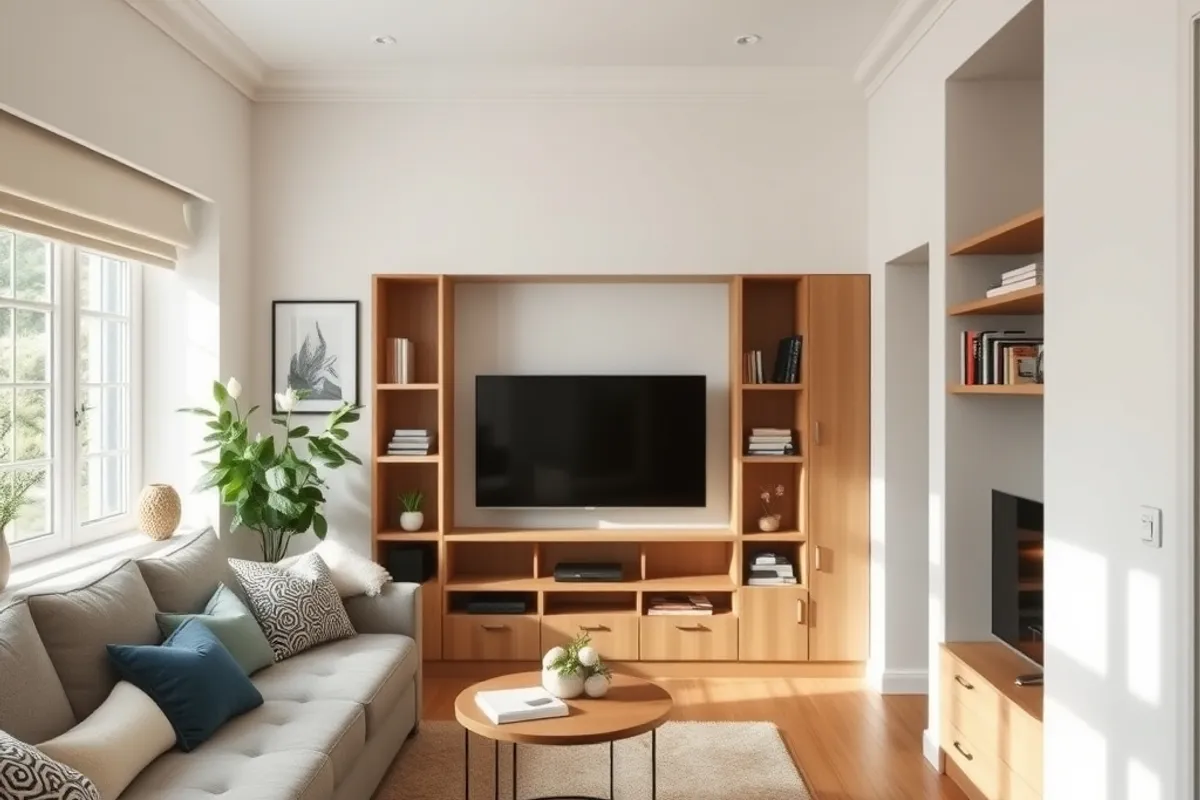
Storage under the stairs, a glass partition and a wall bed can change how a compact home works without moving the structure. We priced the changes and kept the ideas that earn their space.
Explore the guide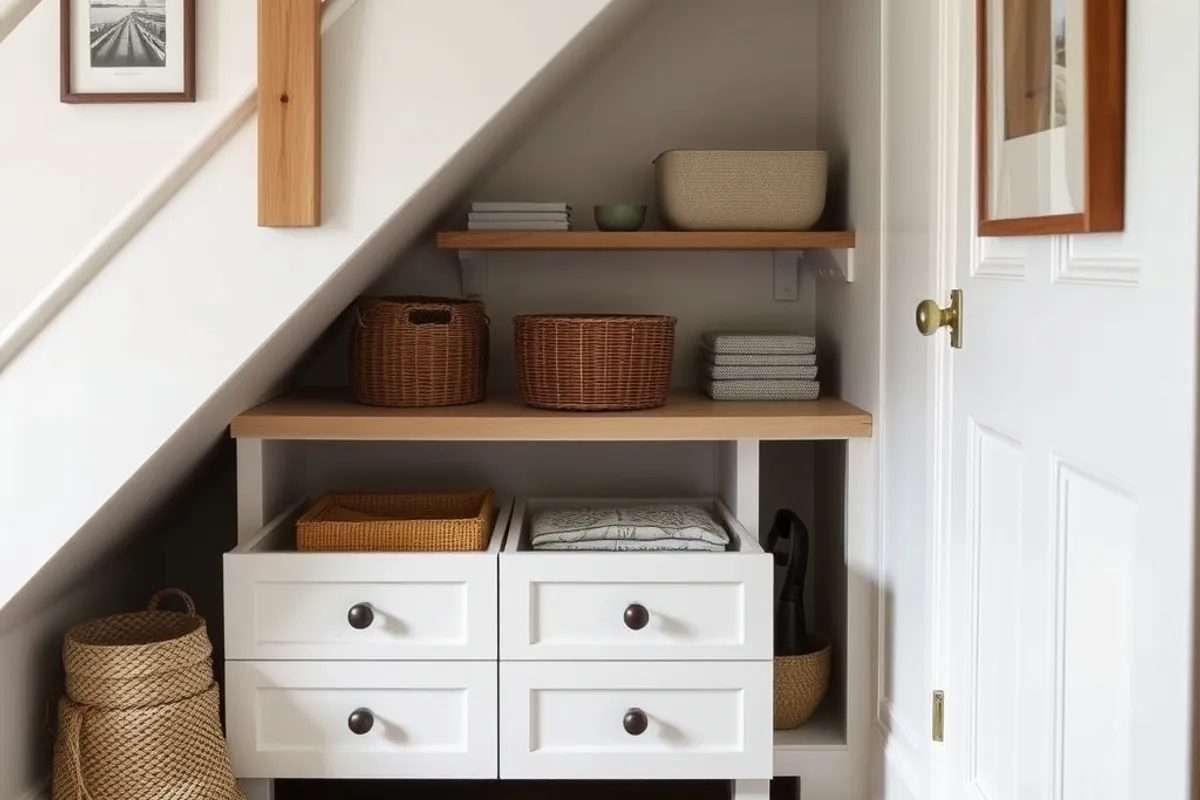
We are a small home desk writing for people making real decisions about houses, flats and the work that happens inside them. Five sections cover the ground most households need: home improvement, real estate, interior design, contractors and DIY tools. Each guide is written by a named editor and reviewed through 2026, with the tone plain and the numbers real.
We collect itemised quotes, read contracts and ask tradespeople what actually goes wrong on site. Where we test a tool, we use it on timber, masonry or the job it was sold for. We pay for our own equipment and do not accept payment for a good review. Public data backs the writing: we cross-check energy and property figures against the Department of Energy and the CFPB, and we flag anything that looks too good to be true.
We will not tell you a project is simple when it needs a surveyor, an electrician or a permit. We will not pretend a cosmetic fix has solved a structural problem. And we will not rank a product highly because a retailer offers a better commission. If a guide reads like a brochure, it has failed. If you spot a claim that does not match the evidence, tell us and we will check it rather than defend it.
Every cost range is a 2026 planning figure, not a quote for your house. Labour, permits, access and material availability change the number by a wide margin. Use the ranges to compare bids and decide whether a project is worth pursuing, then get local prices in writing. Hold a contingency of 10 to 20 percent. Older houses usually find something behind the plaster, and the reserve keeps a small surprise from becoming a stalled job.
Prices also move with access. A job on the third floor without a lift, a narrow street with no parking or a bathroom that must stay usable during the work will cost more than the same job in an empty house. Tell every bidder the real conditions before they quote.
Browse the sections above or use the search box in the header. If water is coming in, fix that before choosing a kitchen. If the house feels small, plan the layout before buying furniture. If you are buying, value the property before you fall in love with it. Questions, corrections or tips are welcome to contact us, and more about who we are sits on the about page.