
The Role of Rugs in Organic Design
Rugs are no longer just functional floor coverings; they are pivotal elements that define space, enhance texture, and unify design elements. One of the most effective ways to achieve cohesion in interiors is through the use of room tying rugs. These rugs do more than anchor furniture—they bring together disparate textures, colors, and materials, creating a harmonious visual narrative that makes the entire room feel curated and intentional.
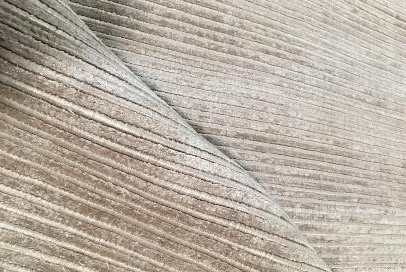
A carefully chosen rug can bridge contrasting surfaces. Smooth wooden floors, rough-hewn tables, and plush seating can coexist seamlessly when the rug introduces a tactile layer that harmonizes them. Its pattern, weave, and material create a tactile dialogue that invites touch, encourages exploration, and reinforces the organic theme of the space.
Choosing Textures That Complement
The texture of a rug profoundly influences how other elements in a room are perceived. Natural fibers like jute, sisal, and wool add warmth and authenticity, while hand-knotted or woven techniques introduce intricate patterns that draw the eye. When layered with smooth or matte finishes, these textures gain prominence, enhancing the depth of sofas, cushions, and wooden accents. Organic texture harmony thrives when textures contrast yet complement each other, allowing every surface to communicate without visual conflict.
Soft, tactile rugs can soften harsh lines and add visual fluidity. For instance, a chunky looped wool rug beneath a sleek leather sofa transforms the area into a cozy, inviting corner, while maintaining a sense of sophistication. Conversely, a flatweave jute rug can accentuate rustic furniture and earthy tones, reinforcing the natural palette of the space.
The Power of Color in Room Tying Rugs
Color is central to the unifying effect of rugs. Warm neutrals, earthy tones, and muted shades resonate with organic textures, creating a cohesive base for layered elements. Blues, greens, and subtle terracotta accents can be introduced to complement furniture, wall finishes, or accessories. By choosing a rug with carefully considered hues, designers can create visual rhythm, guiding the eye naturally across the room while ensuring the textures remain the focal point.
Patterned rugs offer additional opportunities for cohesion. Geometric designs, subtle motifs, or irregular organic patterns can reinforce textures elsewhere in the room. A rug’s design should not compete with surrounding elements but enhance them, acting as a mediator that elevates both texture and color harmony.
Layering Rugs for Depth
Layering rugs is a strategy that has gained popularity in contemporary interiors. A large, neutral base rug paired with a smaller, textured overlay creates depth, dimension, and a tactile richness that is visually engaging. This technique allows for playful experimentation with color, pattern, and texture, while maintaining the unifying function of room tying rugs. Layered rugs can also define separate zones within an open floor plan, providing subtle boundaries without interrupting the organic flow of the space.
Balancing Scale and Proportion
The size and placement of rugs are critical for achieving harmony. A rug that is too small may appear disconnected, while an oversized rug can overwhelm the room’s natural texture palette. Ideally, rugs should anchor furniture while allowing a margin of exposed flooring to highlight textures. Proportionate rugs maintain balance and visual stability, ensuring that every element feels intentional and cohesive.
Practical Considerations and Materials
Durability, maintenance, and material choice are important when selecting room tying rugs. Natural fibers are prized for their longevity and tactile appeal, while synthetic blends offer easy care and versatile finishes. Handcrafted rugs imbue spaces with artisanal charm, reflecting the meticulous attention to texture that defines organic design. Choosing materials that age gracefully enhances the lived-in warmth of a room, reinforcing the connection between texture, color, and comfort.
Beyond Function: Creating Emotional Resonance
Rugs do more than tie a room together visually—they contribute to the emotional ambiance. A soft, textured rug underfoot evokes comfort, grounding, and a sense of sanctuary. In living areas, bedrooms, and study nooks, these tactile surfaces create a sensory experience that complements visual aesthetics. By prioritizing both texture and harmony, designers ensure that the room is not only visually unified but emotionally engaging.
Integrating Accessories with Rugs
The relationship between rugs and accessories is integral to cohesive design. Cushions, throws, and even ceramic objects should echo the textures or colors found in the rug. This deliberate coordination enhances the unifying power of room tying rugs, allowing every element to feel part of a carefully orchestrated ensemble. Contrasting textures, like a smooth ceramic vase on a coarse woven rug, can add intrigue without breaking the overall harmony.
The Lasting Impact of Organic Texture Harmony
Ultimately, rugs serve as the foundation of texture-focused interiors. They unify furniture, color schemes, and decorative accents, ensuring that every surface and object contributes to a coherent narrative. Organic texture harmony is achieved not through uniformity, but through thoughtful selection, layering, and integration. Room tying rugs make a space feel intentional, tactile, and inviting, providing a visual and sensory anchor that elevates the entire design.
By selecting the right textures, colors, and scales, a rug can transform an ordinary room into a harmonious retreat. It becomes the connective tissue that links floors, furnishings, and accessories, crafting a living space that is aesthetically coherent, richly textured, and emotionally resonant.
More Stories
The Art of Depth: Mastering Layered Interior Design
Texture Harmony: Weaving Visual and Tactile Magic in Design
Textured Tales: Weaving Warmth and Character Into Your Home’s Interior