
Understanding the Essence of Harmony
Creating a room that consistently feels balanced, inviting, and visually satisfying requires attention to detail and adherence to fundamental principles. Following harmony space rules ensures that textures, colors, and materials coexist seamlessly. Organic textures—wood, stone, linen, and natural fibers—form the foundation of spaces that feel grounded and alive. When applied thoughtfully, these elements create interiors where every surface, corner, and object communicates a sense of cohesion and intentionality.
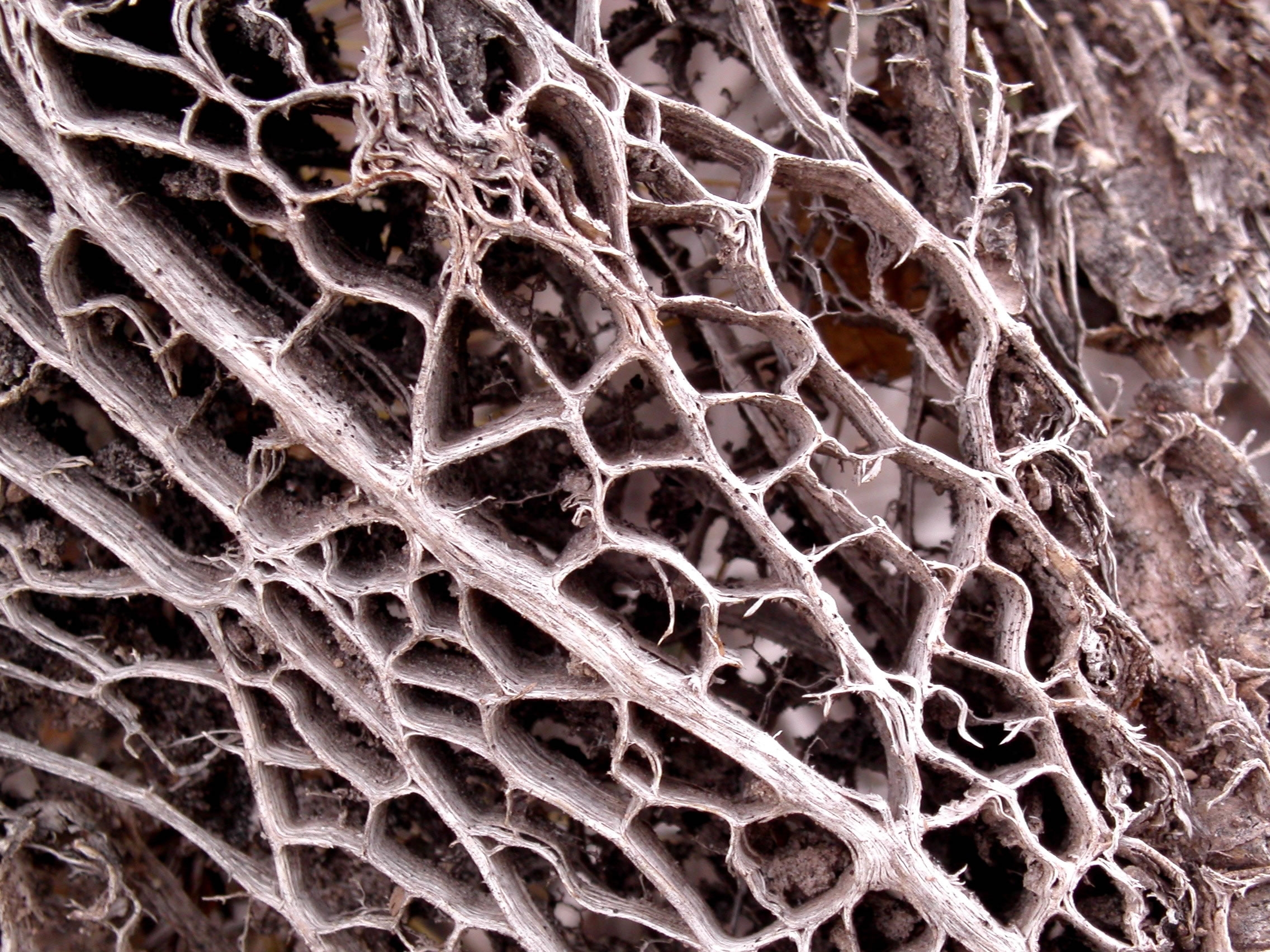
Organic texture harmony is not about uniformity. It is the art of balancing contrasts, highlighting tactile richness, and allowing each material to complement the next. By observing certain rules, a space can evoke serenity, sophistication, and warmth simultaneously.
Rule 1: Prioritize Natural Materials
The first rule of harmony is the selection of authentic, natural materials. Wood brings warmth and visual depth, stone adds solidity and permanence, and linen or woven fabrics introduce softness and tactile appeal. Each surface contributes to the overall texture palette, creating a layered environment that feels both curated and organic. Choosing materials that age gracefully and develop character over time reinforces a timeless aesthetic.
Rule 2: Balance Contrast and Cohesion
A space achieves harmony when contrasting textures are balanced thoughtfully. Rough stone surfaces paired with smooth wooden furniture create visual intrigue, while soft textiles soften rigid edges and add comfort. Cohesion is maintained by selecting complementary tones and finishes, ensuring that no single texture dominates. The juxtaposition of hard and soft, matte and polished, creates depth without chaos.
Rule 3: Emphasize Layering
Layering is essential for a space that feels dynamic yet cohesive. A coarse wool rug under a polished wooden table, coupled with a linen throw on a sofa, adds tactile interest. Layering should be intentional, with attention to scale, proportion, and placement. Negative space is just as important as the elements themselves, allowing textures to breathe and the eye to move comfortably across the room.
Rule 4: Curate Color Palettes Thoughtfully
Color ties textures together and reinforces organic harmony. Neutral and earthy shades—taupes, beiges, warm browns, muted greens, and soft greys—create a calming backdrop that allows textures to shine. Accent colors can be introduced sparingly to highlight specific features or textures, but the overall palette should remain cohesive. Thoughtful color selection ensures that surfaces interact gracefully, maintaining visual serenity.
Rule 5: Incorporate Functional Simplicity
A harmonious space relies on functional, purposeful elements. Furniture, storage, and decorative accents should contribute to both utility and aesthetic appeal. Minimalist principles help avoid visual clutter while allowing textures to remain prominent. Open shelving with carefully curated objects, multi-purpose furniture, and selective accessories create a room that feels curated and intentional. Function and beauty should coexist effortlessly.
Rule 6: Leverage Lighting Strategically
Lighting is a powerful tool for emphasizing texture and enhancing harmony. Ambient lighting establishes overall warmth, accent lights highlight specific surfaces, and task lighting ensures functionality without disrupting visual cohesion. Natural light interacts beautifully with wood grains, stone veining, and woven fabrics, while strategically placed fixtures create shadows and highlights that enrich texture perception. The interplay of light and surface is central to organic texture harmony.
Rule 7: Respect Scale and Proportion
The relative size of furniture, decor, and textured surfaces determines spatial balance. Oversized rugs or furniture can overwhelm, while small accents may be overlooked. Proper scale ensures that textures complement each other without dominating the space. Proportion creates rhythm, guiding the eye naturally and maintaining a sense of order throughout the room.
Rule 8: Introduce Nature Thoughtfully
Plants, flowers, and natural elements enhance organic texture harmony. A potted fern, a wooden planter, or dried botanical arrangements can provide subtle movement, color, and tactile variation. Integrating these elements reinforces the connection to nature and complements existing textures, contributing to a space that feels alive and inviting.
Rule 9: Maintain and Refresh Textures
Sustaining a harmonious space requires attention over time. Wood may need polishing, stone may benefit from sealing, and textiles should be cared for to retain softness and integrity. Periodic reassessment ensures that textures remain visually compelling and tactilely engaging. Adjusting elements, rotating accessories, and refining color accents can keep the environment fresh while respecting the original harmony rules.
Rule 10: Foster Emotional Resonance
Ultimately, a space achieves organic texture harmony when it evokes positive emotions. Touch, sight, and spatial arrangement should contribute to comfort, relaxation, and engagement. Rooms that honor these principles feel cohesive and alive, where each surface and object resonates with intentionality. Emotional impact is as important as visual appeal in creating interiors that always feel right.
A Symphony of Textures
Adhering to harmony space rules allows designers and homeowners to craft interiors that balance texture, color, light, and function seamlessly. Wood, stone, linen, and other natural materials interplay to form spaces that are visually layered, tactilely rich, and emotionally resonant. By prioritizing natural materials, balancing contrasts, layering textures, curating colors, and considering scale, lighting, and functionality, every corner becomes purposeful.
The result is a space that consistently feels right: welcoming, sophisticated, and harmoniously textured. Every surface invites touch, every element communicates intention, and every detail contributes to a cohesive, organic narrative that endures over time.
More Stories
The Art of Depth: Mastering Layered Interior Design
Texture Harmony: Weaving Visual and Tactile Magic in Design
Textured Tales: Weaving Warmth and Character Into Your Home’s Interior