
In the world of interior design, certain approaches feel timeless while still being remarkably fresh. One of these is the deliberate integration of natural textures into living spaces. Designers today are increasingly gravitating toward layered, tactile interiors that celebrate the inherent beauty of materials. The surge in popularity of designer organic trends reflects a desire for homes that are not only visually appealing but also deeply comforting and grounded. These trends emphasize the delicate interplay between raw materials, soft finishes, and subtle color palettes, creating spaces that are at once harmonious and invigorating.
Why Organic Texture Harmony Matters
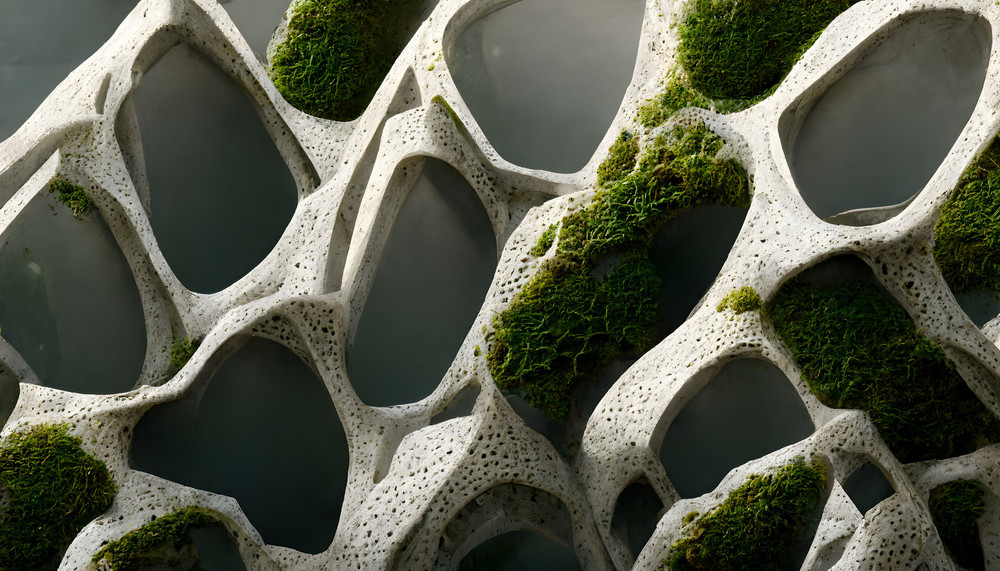
Organic texture harmony is more than just an aesthetic choice; it is a way to cultivate balance, calm, and a sense of connection to nature. Incorporating diverse textures—from linen and wool to rattan and clay—creates a sensory experience that enriches everyday living. By thoughtfully mixing these materials, designers achieve a multidimensional environment where every touchpoint invites comfort and sophistication. The result is an interior that feels alive yet serene, blending visual intrigue with tangible warmth.
The Rise of Layered Natural Materials
Layering has become a cornerstone of contemporary organic interiors. Designers frequently combine heavy, structured fibers with lighter, softer materials to generate depth. Think thick wool throws paired with silk cushions, or rattan baskets juxtaposed with plush linen upholstery. This layering strategy encourages an environment that feels curated rather than chaotic, allowing each material to play a distinct role. By repeating textures throughout a space, designers create rhythm and cohesion, ensuring the eye moves fluidly across surfaces.
Embracing Earthy, Grounded Palettes
Color is a critical factor in achieving organic texture harmony. Designers are favoring earthy tones—warm taupes, muted olives, sandy beiges, and deep terracottas—that highlight the natural qualities of materials. These shades act as a unifying element, enabling various textures to interact without clashing. For example, a soft, creamy wool rug harmonizes effortlessly with a rough-hewn wooden coffee table, while a linen sofa in muted clay complements a bouclé armchair. The result is a palette that feels organic, layered, and intentionally soothing.
The Tactile Power of Soft Fibers
Textiles are the most immediate way to introduce tactile interest into a room. Plush velvet, nubby bouclé, and lightweight cotton are staples of designer organic trends. These fibers invite touch and create a sense of intimacy and coziness. Designers often combine these fabrics in unexpected ways: a sleek velvet sofa adorned with linen and wool pillows, or a boucle armchair paired with a soft, woven throw. The juxtaposition of textures enhances the visual narrative of the room while encouraging occupants to interact with their environment.
Incorporating Natural Elements
Beyond textiles, natural elements like wood, stone, and clay are vital to achieving organic texture harmony. Exposed wooden beams, live-edge tables, and stone countertops serve as grounding anchors for softer fabrics. Similarly, ceramic vases, woven baskets, and rattan chairs introduce subtle imperfections and irregularities, emphasizing authenticity and character. Designers use these materials to add layers of interest and to remind us of the beauty inherent in natural imperfections.
Strategic Use of Lighting
Lighting can dramatically enhance organic textures. Warm, ambient light accentuates the depth of fibers, the grain of wood, and the subtle variations in stone or clay. Layered lighting—combining overhead, task, and accent lights—ensures that textures are highlighted from multiple angles, enhancing their presence without overwhelming the space. Designers often employ dimmable fixtures and natural light sources to maintain a soft, welcoming glow that complements the tactile richness of materials.
Minimalism Meets Organic Textures
One of the compelling aspects of current designer organic trends is the seamless blend of minimalism with texture. Rather than cluttering a space with objects, designers focus on a few carefully selected pieces that showcase materiality. A simple linen sofa, a chunky wool rug, and a woven rattan chair can provide an entire room with depth, character, and warmth. This approach respects the space, allowing textures to shine without distraction while maintaining a clean, modern aesthetic.
Accessorizing for Harmony
Accessories play a pivotal role in tying together organic textures. Designers are incorporating items like soft throw blankets, tactile pillows, and sculptural ceramics to reinforce texture layering. Even small details, such as a jute placemat or a raw-edge wooden tray, contribute to the overall harmony. The key is intentionality: each piece should serve both a functional and aesthetic purpose, enhancing the sensory richness of the environment.
Sustainability and Conscious Sourcing
An increasing focus on sustainability aligns naturally with these trends. Designers are choosing fibers and materials that are responsibly sourced, renewable, or recycled. Organic cotton, reclaimed wood, and low-impact dyes support eco-conscious living while adding authenticity to texture-focused interiors. This ethical approach amplifies the appeal of designer organic trends, combining aesthetic beauty with environmental responsibility.
The Timeless Appeal
What makes these designer organic trends so compelling is their timeless quality. Textures rooted in nature resonate universally, offering comfort and sophistication that transcends passing fads. The combination of layered fibers, earthy tones, natural elements, and thoughtful lighting creates spaces that are inviting, serene, and visually engaging. Whether through textiles, surfaces, or accents, these trends allow designers to craft interiors that feel both modern and inherently grounded.
The Lasting Impact of Texture
Organic texture harmony is more than a trend; it is a design philosophy that emphasizes balance, tactility, and connection to the natural world. By skillfully layering textiles, integrating natural materials, and curating color palettes, designers create spaces that are as comfortable as they are stylish. The popularity of designer organic trends underscores a collective desire for interiors that are visually sophisticated yet approachable, luxurious yet grounded. This approach ensures that homes are not just beautiful, but also profoundly comfortable, inviting, and enduringly inspiring.


More Stories
Texture Harmony: Weaving Depth into Your Designs
Envisioned Depth: Elevating Spaces with Layered Interior Design
Organic Texture Harmony with Earth-Made Accent Pieces