
Introverts design homes differently. Their interiors are not showrooms, they are recovery cocoons for the quiet-minded. They thrive where softness is strategic, and calm is curated with reverence. The best comfort-focused decor speaks fluently to solitude, tactile reassurance, and deliberate minimal stimulation. For many introverts, the dream space is not loud or layered in excess, but intentionally soft, acoustically kind, visually serene, and spatially generous. This is where the concept of introvert comfort spaces becomes the compass. Introvert comfort spaces celebrate withdrawal without loneliness, peacefulness without emptiness, and plush tactility without spectacle. When crafted well, these homes feel like sanctuaries for the nervous system, calm laboratories for the soul.
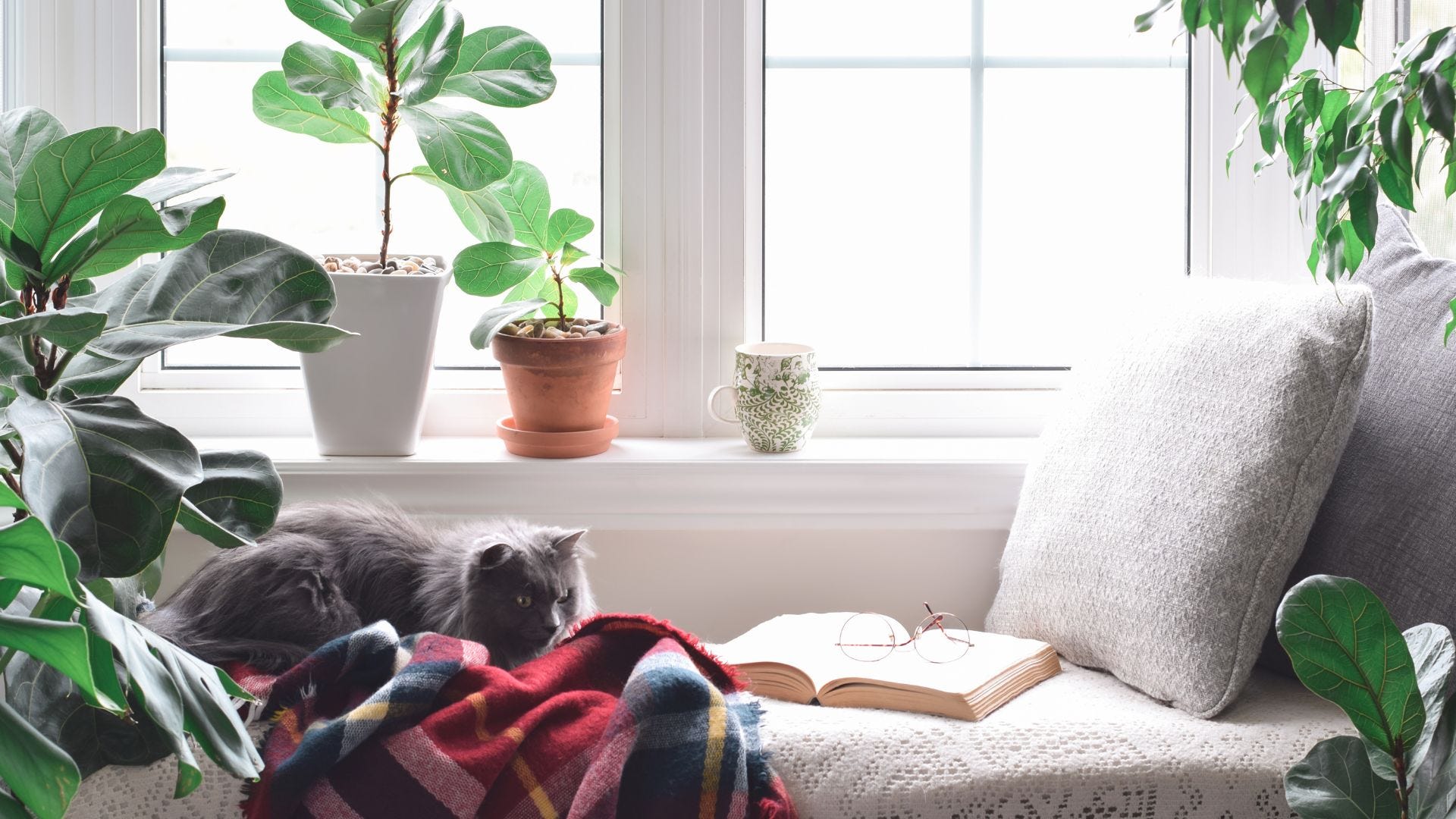
To bring this aesthetic to life, start with a design lens grounded in sensory ergonomics. The goal is not simply comfort. It is comfort that restores. Comfort that quiets. Comfort that understands the pleasure of silence, slow moments, and thoughtful living.
1. Prioritize Low-Signal Visuals
Low-signal design is a neuroaesthetic principle referring to intentionally subdued color, pattern, and decor choices that reduce cognitive load. Introverts adore spaces that do not scream for attention. They crave rooms that behave like gentle backgrounds for life rather than characters competing for narrative dominance. Walls in chalky neutrals, muted sage, oatmeal cream, or clay-beige hues support visual calm without feeling impersonal.
Limit patterns to soft, repetitive motifs that feel textural, not demonstrative. A barely-there pinstripe, linen fleck, or quiet grid is enough. Less is liberation here.
2. Sculpt Calming Seating Zones
Introvert rooms thrive on micro-environments, compact but soft spaces that provide perceived separateness even in open plans. Think of “nesting perimeters,” areas marked by furniture that subtly enclosure without structural walls. A deep-seated sofa with cocoon curvature, paired with an enveloping armchair, becomes a comforting bay for personal reflection. Upholstery should be tactile-first: boucle, brushed cotton, or velvet whispers comfort without being showy.
The key to great introvert seating is proximity logic. Side tables should sit just close enough to eliminate reaching drama. Everything must feel easy. Ease is peace.
3. Layer with Purposeful Softness
Fabric layers should serve function first, beauty second, never the opposite. Weighted throws bring gentle proprioceptive pressure, a sensory psychology term describing physical input that helps the brain perceive the body in space and relax neural activation. Soft, thick blankets placed within reach are not decor accessories, they are calming equipment. Cushions should differ slightly in density and texture, creating micro-choices for mood and posture.
Draperies are essential. Fabric that puddles lightly on the floor captures excess sound delicately, making rooms auditory-kind, peaceful even when the outside world disagrees.
4. Create Gentleness for the Ears
Introverts design interiors for sound, even more than sight. Echo feels like shouting to sensitive ears. Treat acoustics as invisible decor. Rugs, heavy curtains, fabric headboards, woven baskets, cork-backed wall panels, and upholstered benches absorb sonic reflections with grace. This kind of acoustic tenderness turns rooms into calm audible refuges.
Quiet never sounded so inviting.
5. Build Soft Light Territories
Light must behave like atmosphere, not interrogation. Table lamps of varied heights create light territories, gentle pools of illumination that zone the room without brightness conflict. Favor warm light diffusion using fabric or frosted shades. A lamp should feel like a glowing companion in a book nook, not overhead solar analysis. Consider “circadian dimming,” adjusting light levels throughout the day to mimic natural rhythm, keeping the brain calm after dusk.
Soft light does not rush you. It stays patient.
6. Curate Ritual Corners for Solitude
Every introvert home needs a ritual corner, a designated place for slow, grounding moments. This could be a reading alcove, tea station, journal desk, or window seat surrounded by natural textures. Wooden surfaces should be matte or softly oiled, ceramics raw-glazed or stone-toned, baskets woven in rattan or seagrass. Keep these zones visually calm but texturally rich, promoting grounding presence without overstimulation.
Introvert decor is not bare. It is breathable.
7. Add Uncommon Materials That Whisper, Not Shout
Unique materials elevate calm without noise. Textured plaster finish. Raw linen. Ribbed ceramic. Lightly sanded oak. Salt-stone decor objects. Cashmere-like microfiber rugs. Cork-backed frames. Chamotte clay vases. These quieter materials add originality without emotional interruption. They whisper presence, not dominance. Introverts appreciate decor that is artisanal but quiet.
Quietness is not absence. It is intention.
8. Honor Negative Space as a Design Element
Introverts do not fear empty space on shelves, tabletops, and walls. They celebrate it. Negative space lets objects feel intentional. It gives their eyes a place to rest. It gives their minds a place to think. Decor works best when spaced, not stacked. A coffee table might hold one tray, one candle, one tiny vase. No clutter conversations allowed.
Let emptiness be a form of softness.
9. Hide Daily Noise Kindly
Closed or woven storage hides visual noise gently, letting rooms recover from daily life with kindness. Consider woven rattan cabinets, cotton storage bins, fabric-covered boxes, or jute baskets for concealed organization. Introvert spaces love tidiness that does not look rigid.
Tidy that feels gentle always wins.
10. Craft a Reset Routine
Introverts often enjoy small resetting rituals that help rooms maintain calm presence. Each evening, fold blankets loosely, fluff cushions lightly, dim lamps, close curtains. Reset not for perfection, but peace. A home that resets softly gives permission to reset yourself.
A quiet home is not shy. It is intelligent. Thoughtful comfort for the roots of the mind and nervous system. Introverts do not need extravagance, just deep comfort logic done right. When you design for silence, softness, acoustics, tactile reassurance, and calm rituals, spaces do not just look comforting, they feel harmonized for the soul.
Decor that feels like a warm exhale? That is the ultimate adoration language for introverts.
More Stories
Elevate Your Space: Curated Interior Design for Timeless Elegance
Embrace the Art of Less: Finding Beauty in Minimal Decor Style
Sprinkle Meaning, Not Just Style: The Art of Intentional Home Decor