
Decor that makes you exhale longer does not have to drain your wallet. The modern home renaissance is proving that comfort can be clever, cozy, and conscientiously affordable. What we are really talking about is comfort focused decor, built on softness, warmth, and emotional contentment rather than expensive finishes. The beauty lies in the feeling, the slow-sigh satisfaction of a room that embraces you without asking for premium payment. It is entirely possible to do all this on a feel-good budget, where decisions are guided by sensory delight, sensible spending, and a tactile-first mindset. A feel good budget does not mean cheap, it means intentional, smart, and heart-centered design. In this guide, we unlock decor ideas that keep your space serene, snug, and stylish while staying financially grounded.
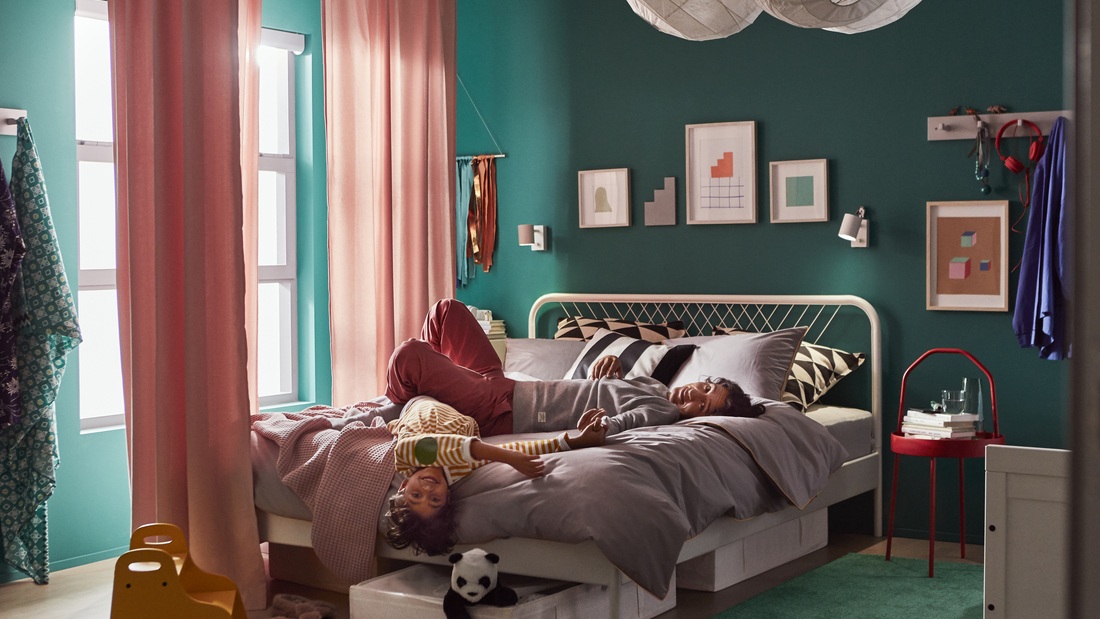
Comfort-first decorating always begins with three core pillars: sensation, simplicity, and strategy.
1. Upholstery That Ages Gorgeously
Skip the notion that sofas must be designer-grade to feel dreamy. Instead, seek pieces with high seating tolerance. That means cushions that adapt quickly, fabrics that bruise gracefully, and silhouettes engineered for lounging, not rigidity. Opt for polyester-velour or micro-suede revenant finishes, textiles designed to mimic luxury tactility without demanding luxury prices.
Secondhand seating is not inferior. It is sustainable charisma. It carries story.
2. Textile Layering for Sensory Richness
Instead of splurging on statement pieces, use textural orchestration. Add a chunky-knit acryl-wool throw across seating. Or a reclaimed cotton quilt on an armchair. Rugs can be polypropylene but look like artisanal jute. What matters is the sensory register. Texture adds emotional volume; layers create a muted interior sonnet of comfort.
A secret of budget serenity: double the softness, halve the spend.
3. Lighting That Feels Like Sunset Territory
Do not choose lights by wattage. Choose lights by mood. A well-lit comfort home uses optical gentleness. Soft pools of warm-toned illumination suggest unwinding. Paper-fiber lampshades stretch light sideways, calming glare. If the light makes you squint, it does not belong in a soothing home.
Golden-hour calm is not a luxury, it is a lighting choice.
4. The Genius of Accessory Minimalism
When working with a feel good budget, avoid clutter commerce. Too many objects look expensive. Even if they are not. Instead, adopt accessory minimalism: fewer items with emotional purpose. A single incense vessel, a ceramic mug, or a small book stack looks curated, calm, and quietly thoughtful.
Clutter competes. Calm collaborates.
5. Nature That Costs Nothing But Attention
Twigs from a morning walk become rustic sculptural arrangements. Dry leaves pressed into frames look like botanical prints. River stones become tactile sculptures. Even sunlight patterns sliding across fabric feel like luxury when you notice them longer.
Nature is always in budget. Appreciation is the currency.
6. Storage Systems that Look Smarter Than They Cost
Woven baskets, thrifted cabinets, or fabric bins bring both utility and softness. Open shelving works if the objects shown feel restful. Storage is not the star. It is the co-star. Its job is to protect calm, protect space, and look intentionally gentle while doing so.
Organization is decorative. When done softly, it feels luxurious.
7. The Poetry of Neutral Stillness in Color
Budget comfort interiors lean into chromatic neutrality, tones that avoid emotional noise. Warm beige, quiet gray, muted cream, or soft brown do not fight for attention. They absorb it slowly. Paint is one of the cheapest upgrades you can make. But it rewires a room’s emotional frequency instantly.
The calmest colors are the most forgiving to both mood and money.
8. Wall Art from Resourceful Storytelling
Frames are thrift victories. Prints can be downloadable, inexpensive photography, or vintage pages from old encyclopedias. Art that shifts perspective does not need museum pricing. It needs emotional punctuation. Your walls should whisper warmth, not scream cost.
Sentiment is art’s greatest scalpel.
9. Furniture Alignment that Supports Posture, Not Perfection
Do not space furniture by visual symmetry. Space it by usability. Alignment by body logic wins every time. Chairs angled slightly inward create conversation aura. Tables placed within gentle reach remove physical friction from rest.
Comfort is choreography.
10. Budget Should Feel Good, Not Look Good
At the core of feel good budget decorating is a philosophical truth: no one relaxes well in rooms that look assembled by cost. But everyone relaxes in rooms assembled by care, gauged by tactile joy, illuminated with warmth, furnished with intention, and maintained with soft daily rituals.
Your home should feel like a restoration, not a repayment plan.
When comfort is chosen first, finances quietly fall into their best place. You spend less by needing less. You feel more by noticing more. And the result? A home that hugs you warmly, softly, sensibly, and beautifully, without relying on dashes, icons, or budget theatrics. Real luxury is not monetary, it is somatic. It lives in the tender details. Professional, peaceful, and personally perfect.


More Stories
Crafting Comfort: How Intentional Home Decor Transforms Your Space into a Sanctuary
Design Your Space, Elevate Your Mind: The Power of Focused Decor
Soft Layers, Big Comfort: Comfort Focused Decor Ideas