
The Foundation of Rustic Elegance
Creating a space that radiates relaxed rustic charm begins with the thoughtful selection of materials. natural rustic materials are at the heart of this aesthetic, infusing interiors with authenticity, warmth, and a sense of grounded beauty. From timber to stone, each element contributes to a tactile and visual narrative that celebrates nature while providing comfort.
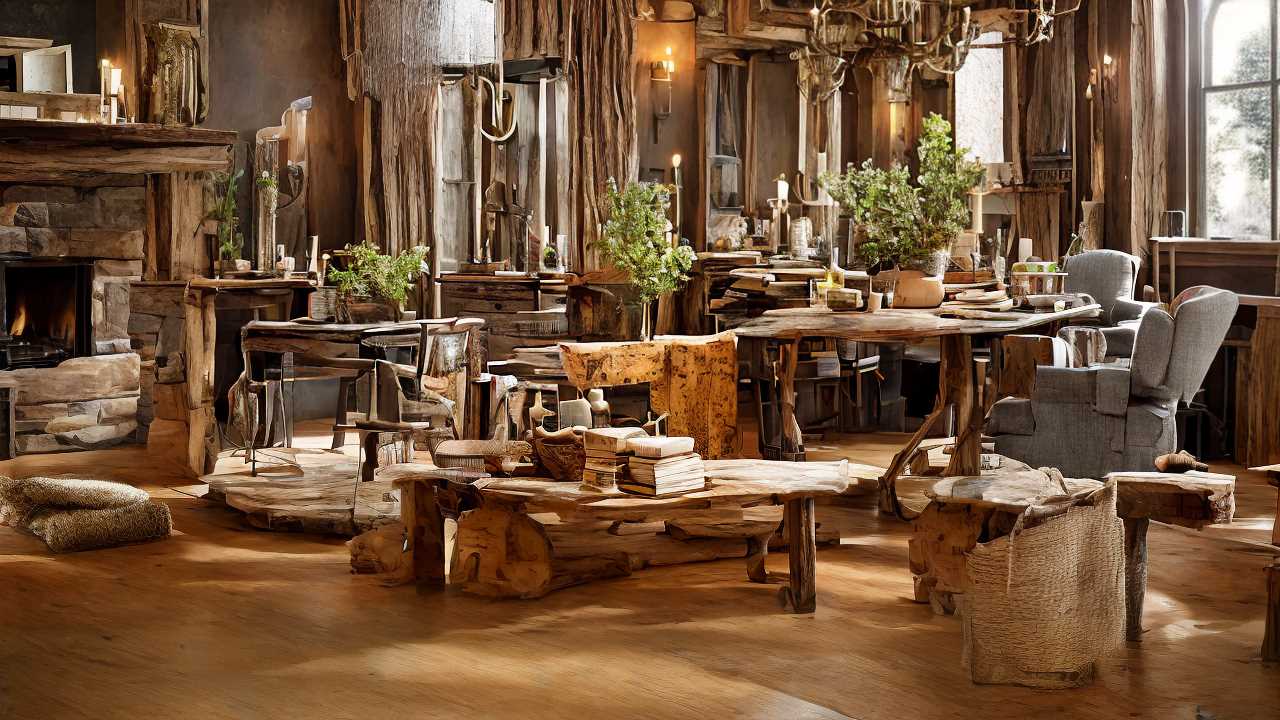
Timber and Wood Accents
Timber is synonymous with rustic charm, offering both structure and aesthetic appeal. Reclaimed wood, rough-hewn beams, and live-edge furniture introduce character and history into a space. Wooden floors, side tables, and shelving not only provide durability but also create visual continuity throughout the room. Combining different wood tones and finishes can enhance depth, while maintaining a cohesive, relaxed ambiance.
Stone and Masonry
Stone is another cornerstone of rustic interiors. Exposed brick walls, stone fireplaces, and slate flooring impart a sense of permanence and texture that complements softer materials. Natural stone surfaces are versatile: polished for subtle elegance or left rough for an organic, earthy feel. When paired with timber, stone balances warmth with solidity, creating a grounded and inviting environment.
Woven and Textural Fibers
Textiles crafted from natural fibers further enhance rustic charm. Linen curtains, cotton throws, and wool rugs introduce softness that contrasts with harder surfaces like wood and stone. Woven baskets, jute rugs, and rattan accents add tactile variety and functional storage while maintaining a casual, lived-in feel. Layering these elements can transform a room into a cozy retreat.
Leather and Hide
Leather, especially in muted or earthy tones, contributes sophistication without sacrificing rustic appeal. Leather armchairs, poufs, or ottomans create visual weight while offering practical comfort. Cowhide rugs or leather accents on furniture introduce subtle patterns and textures that enrich the overall design narrative. Over time, leather develops a patina, deepening the space’s character.
Metal Accents
While natural materials dominate, strategic metal accents can elevate rustic interiors. Wrought iron, aged brass, and steel light fixtures or hardware provide contrast and durability. These materials complement wood and stone without overwhelming the natural aesthetic, creating visual interest and a balanced interplay between ruggedness and refinement.
Bringing Nature Indoors
Plants and greenery are essential for enhancing natural rustic materials. Potted plants, trailing vines, and small herb gardens breathe life into interiors while reinforcing the connection to the outdoors. Their organic shapes and seasonal variations make the space feel dynamic and alive, contributing to the relaxed, natural atmosphere of rustic design.
Color Palettes That Complement Materials
Natural rustic materials are best highlighted by earthy color palettes. Warm neutrals, soft creams, muted greens, and deep browns harmonize with wood, stone, and textiles. Accent colors drawn from nature, like ochre, terracotta, or moss, add depth without detracting from the inherent beauty of the materials themselves.
Practical Considerations
Durability and maintenance are key when selecting natural materials. Timber should be properly treated to resist wear, stone sealed to prevent staining, and textiles chosen for longevity. Balancing practicality with aesthetics ensures that rustic charm is not only visually pleasing but sustainable and functional for daily life.
Natural materials form the backbone of relaxed rustic charm, creating interiors that feel timeless, authentic, and welcoming. By blending timber, stone, textiles, leather, and strategic metal accents, a space can achieve layered richness and tactile depth. Incorporating these elements thoughtfully allows every corner to resonate with warmth and character, showcasing the enduring appeal of natural rustic materials in modern rustic design.
More Stories
Whispers of the Countryside: Rediscovering Rustic Charm in Everyday Life
Cozy Corners: Blending Rustic Charm and Modern Comfort in Farmhouse Interior Design
Cozy Cabin Vibes: 10 Rustic Interior Ideas for a Warm and Welcoming Home