
Creating a living space that feels both grounded and luxurious begins with a thoughtful blend of materials, textures, and design elements. Incorporating earth made accents is a powerful way to achieve organic texture harmony, allowing a room to feel inviting, tactile, and visually captivating. These natural elements, whether crafted from clay, stone, wood, or woven fibers, bring a sense of authenticity that elevates any interior without overwhelming it.
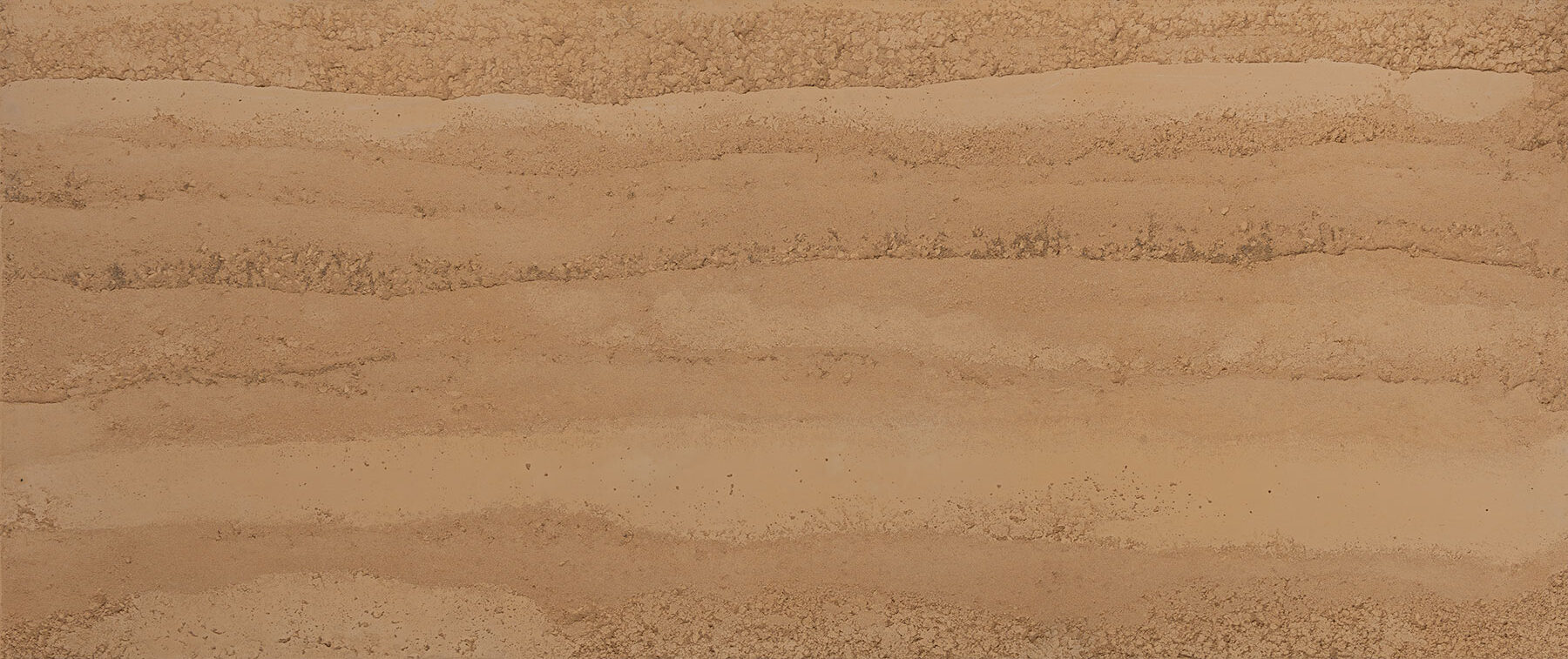
Embrace Natural Materials
The foundation of organic texture harmony lies in using materials that speak to the senses. Wooden bowls, stone vases, and terracotta sculptures introduce warmth and depth. The beauty of these earth-made accents is that each piece carries its own subtle irregularities, making it unique. By integrating these elements throughout a room, you establish a tactile landscape that encourages touch and engagement, transforming the space into a serene, natural retreat.
Layering for Visual Depth
To achieve harmony, layering textures is essential. Consider combining a smooth ceramic vase with a coarse woven basket or a polished wooden tray atop a textured linen runner. Layering creates visual intrigue and highlights the contrasts between materials. This technique makes even modest rooms feel curated and expansive, as the eye is drawn from one element to the next, exploring the interplay of textures and finishes.
Mix Function with Form
Earth-made accents do not have to be purely decorative. Functional objects such as clay planters, wooden cutting boards, or woven storage baskets can enhance the organic feel while serving practical purposes. A stack of hand-carved bowls on an open shelf adds warmth and texture, while simultaneously being accessible for daily use. Choosing accents that merge function with form ensures that your design is both beautiful and purposeful.
Strategic Placement for Balance
Placement is key when incorporating natural accents. Distribute items thoughtfully across different surfaces to avoid visual clutter. For example, position a stone sculpture on a side table, a wooden bowl on a coffee table, and a woven wall hanging in a corner. This approach balances the visual weight of each piece, allowing the room to feel cohesive rather than haphazard. A well-placed earth-made accent draws attention while maintaining the overall flow of the space.
Incorporate Natural Color Palettes
Earth-made accents naturally lend themselves to organic color schemes. Terracotta, deep browns, muted tans, and soft ochres complement a wide range of interiors. Pairing these natural hues with soft neutrals, greens, or blues reinforces the organic harmony while adding subtle contrast. Colors inspired by nature evoke calmness and create a sense of connection to the outdoors, even in urban interiors.
Highlight Textural Contrasts
The true magic of earth-made accents is in their texture. Smooth ceramic surfaces juxtaposed with rough-hewn wood or braided fibers create an engaging tactile experience. For example, a matte clay vase paired with a glossy wooden bowl accentuates the qualities of both materials. Textural contrasts enhance sensory richness and bring depth to minimalist interiors, ensuring that even a simple arrangement feels sophisticated and intentional.
Mix Scales and Shapes
Variety in scale and shape prevents a room from feeling static. Tall ceramic vases can complement small wooden figurines, and round woven baskets can soften angular furniture lines. Mixing sizes and shapes introduces rhythm to the space, guiding the eye naturally across different focal points. This dynamic layering supports organic texture harmony while keeping the environment visually stimulating without chaos.
Introduce Natural Patterns
Earth-made accents often feature subtle, natural patterns that enhance their charm. Striations in stone, knots in wood, or hand-formed indentations in clay add character to your interior. Highlight these patterns by placing accents in well-lit areas or against contrasting backgrounds, allowing their details to stand out. Patterns sourced from nature reinforce the cohesive, organic aesthetic of the room, making every glance a moment of discovery.
Complement with Greenery
No organic texture harmony is complete without plants. The inclusion of greenery alongside earth-made accents amplifies the sense of life and balance. Potted plants in clay or stone containers echo the textures of your accent pieces, while the vibrant foliage introduces a refreshing pop of color. This combination reinforces a natural, tactile experience, creating a calming, immersive environment.
Seasonal Rotation for Freshness
An easy way to maintain energy and interest in your space is by rotating earth-made accents seasonally. Switch smaller items, like decorative bowls or figurines, to match seasonal color palettes or textures. This practice keeps the room feeling dynamic without requiring a full redesign. Seasonal rotation allows you to explore new textures, materials, and arrangements, sustaining your organic texture harmony throughout the year.
Integrating earth made accents into your home is a transformative approach to achieving organic texture harmony. By layering textures, balancing scales, incorporating natural colors, and combining form with function, you create spaces that feel sophisticated, serene, and tactile. The irregularities and inherent beauty of these materials evoke a sense of authenticity and calm, grounding your interiors in nature’s aesthetic. Whether through ceramic vases, wooden bowls, or woven baskets, these accents allow any room to feel thoughtfully curated and effortlessly inviting. A space adorned with earth-made elements is more than a design statement; it is an ongoing sensory experience, connecting inhabitants with the timeless rhythms of the natural world.


More Stories
Envisioned Depth: Elevating Spaces with Layered Interior Design
Organic Texture Harmony: Rugs That Tie the Whole Room Together
Calm Spaces Styled with Organic Texture Harmony