
Designing a home that feels both inviting and restorative requires attention to the small details that elevate comfort. Ultra comfy corners are the ultimate solution for creating intimate spaces that invite relaxation, reading, or quiet contemplation. These carefully curated nooks combine tactile pleasures, visual warmth, and ergonomic design to form sanctuaries within larger rooms. By focusing on comfort without sacrificing style, every corner can become a haven that enhances both mood and well-being.
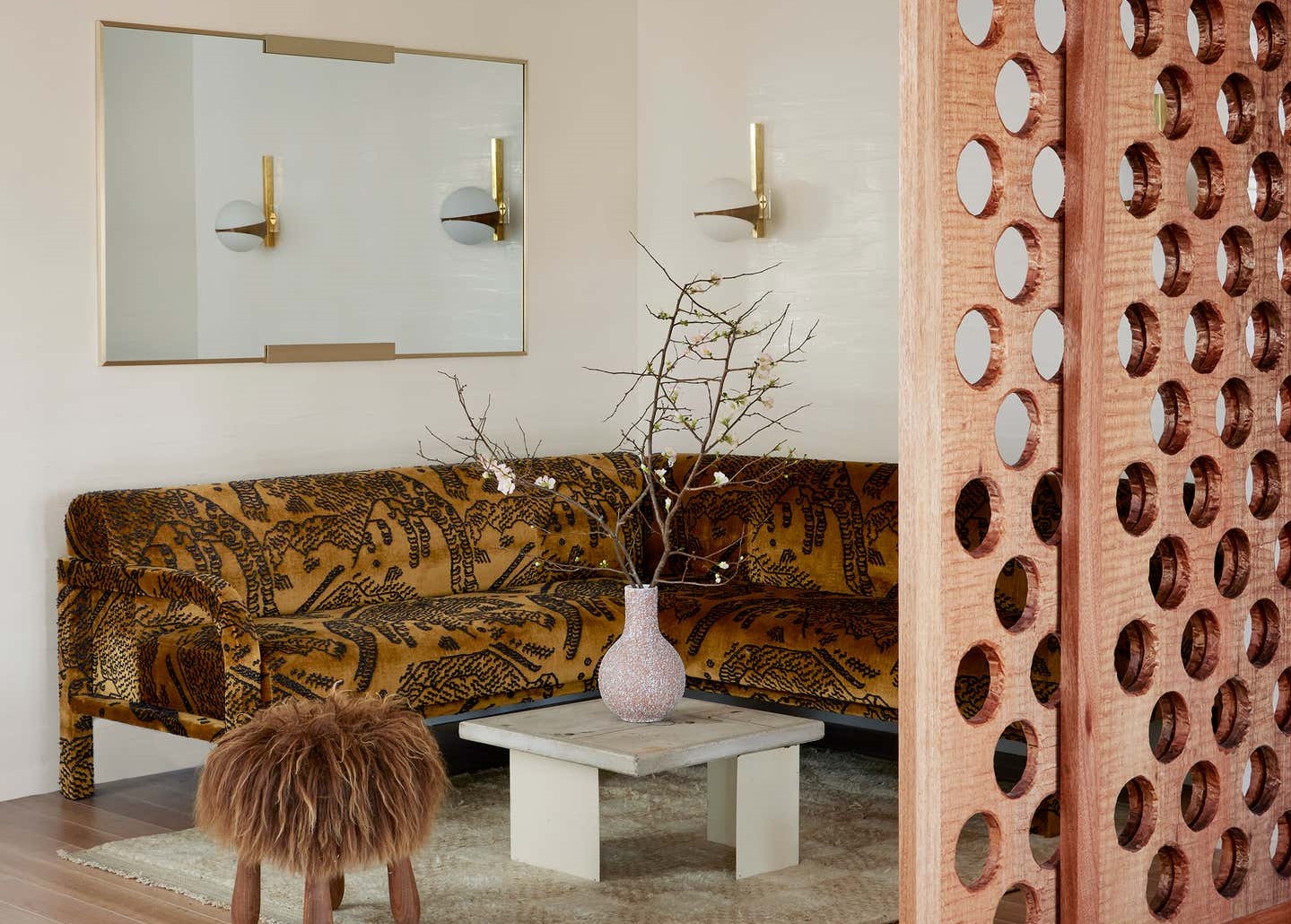
The Philosophy Behind Comfort-Focused Corners
Comfort-focused decor begins with understanding human interaction with space. People naturally gravitate toward areas that feel safe, cozy, and accessible. Ultra comfy corners leverage this instinct by creating small, highly functional zones that encourage lingering. The strategy involves a combination of plush textures, supportive furniture, and thoughtful layering of fabrics and accessories. Such corners not only provide physical comfort but also a psychological retreat from the demands of everyday life.
Seating as the Foundation
Furniture selection is paramount when designing ultra comfy corners. Oversized chairs, chaise lounges, and small loveseats provide foundational comfort, while cushions and throw blankets enhance tactile enjoyment. Upholstery in soft fabrics such as velvet, chenille, or brushed cotton promotes a sensory connection with the space. Ergonomic considerations are equally important; gently contoured seating encourages proper posture, allowing users to relax without strain.
Mixing seating types can increase versatility. For example, pairing a low armchair with a small ottoman allows for stretching legs or repositioning for different activities. Layered seating arrangements also create a visually appealing focal point that draws people into the corner naturally.
Textiles and Layering for Tactile Luxury
Textiles play a critical role in ultra comfy corners. Plush throws, oversized cushions, and textured rugs provide multiple layers of comfort. Combining fabrics of different weights and textures enhances the sensory richness of the space. A wool throw atop a velvet chair, for instance, introduces a contrast that is both pleasing to touch and visually dynamic.
Rugs not only anchor the area but also contribute to physical comfort underfoot. Natural fibers such as wool, jute, or organic cotton add warmth, durability, and texture, complementing the other tactile elements in the corner. Incorporating soft floor cushions or poufs increases flexibility and allows the space to accommodate multiple users or activities.
Lighting That Invites Relaxation
Lighting is a subtle but crucial element in comfort-focused decor. Soft, diffused light creates a welcoming atmosphere, while adjustable task lighting allows for reading, knitting, or other activities without causing eye strain. Layered lighting, including table lamps, floor lamps, and wall sconces, provides control over brightness and ambiance. Warm-toned bulbs enhance the perception of coziness, making the corner feel more intimate and inviting.
Natural light, when available, should be maximized through sheer curtains or strategically placed mirrors. Sunlight enhances colors and textures while also providing a psychological boost, reinforcing the calming nature of ultra comfy corners.
Incorporating Personal Elements
Personal touches make corners feel lived-in and comforting. Books, framed photos, and small decorative objects establish a connection between the user and the space. Consider adding a small side table for beverages or a plant to introduce organic texture and a sense of vitality. Sensory engagement, such as soft scents from candles or diffused essential oils, further enriches the experience.
The goal is to balance aesthetics with utility. Each item should either contribute to comfort, function, or visual interest. Overcrowding the corner can detract from relaxation, so careful curation is essential.
Spatial Arrangement and Flow
Even small areas can be optimized for comfort through thoughtful arrangement. Position seating near walls or corners for a sense of enclosure and security. Ensure that there is adequate clearance for movement, preventing a cramped or cluttered feeling. Layered textiles, cushions, and throws should be arranged for easy access, allowing the space to feel effortless and intuitive.
Vertical elements, such as floating shelves or wall-mounted lights, can draw the eye upward, creating a perception of height while keeping floor space open. This strategy contributes to a visually balanced and inviting ultra comfy corner.
Color and Texture Coordination
Colors and textures should reinforce the cozy ambiance. Warm neutrals, muted pastels, and soft earthy tones provide a calming backdrop for comfort-focused decor. Mixing textures, such as smooth upholstery with nubby throws and woven rugs, adds depth and interest. Avoid harsh contrasts that disrupt the sense of serenity. The combination of harmonious colors and layered textures ensures the corner is both aesthetically pleasing and physically inviting.
Final Thoughts
Ultra comfy corners are not merely decorative; they are essential retreats within a home that nurture relaxation, focus, and well-being. By carefully selecting seating, textiles, lighting, and personal elements, these corners transform everyday spaces into sanctuaries. Attention to tactile materials, layered fabrics, and ergonomic design ensures that every visit to the corner is a pleasure.
Incorporating these principles allows interiors to achieve a balance of comfort, style, and functionality. With ultra comfy corners, each home can provide intimate, restorative spaces where relaxation is effortless, interaction with the environment is tactilely satisfying, and every detail supports a sense of calm. Thoughtful design ensures that these corners are not only visually appealing but also deeply functional, making them an indispensable component of modern comfort-focused decor.
More Stories
Elevate Your Space: Curated Interior Design for Timeless Elegance
Embrace the Art of Less: Finding Beauty in Minimal Decor Style
Sprinkle Meaning, Not Just Style: The Art of Intentional Home Decor