
Foundations of a Lasting Rustic Aesthetic
Creating a home imbued with relaxed rustic charm requires understanding the core principles that make spaces feel authentic, inviting, and enduring. Timeless rustic rules provide a framework for designing interiors that balance comfort with visual appeal. By focusing on natural materials, harmonious color palettes, layered textures, and thoughtful functionality, rustic spaces can remain relevant and cozy for years, avoiding fleeting trends while embracing enduring charm.
Prioritize Natural Materials
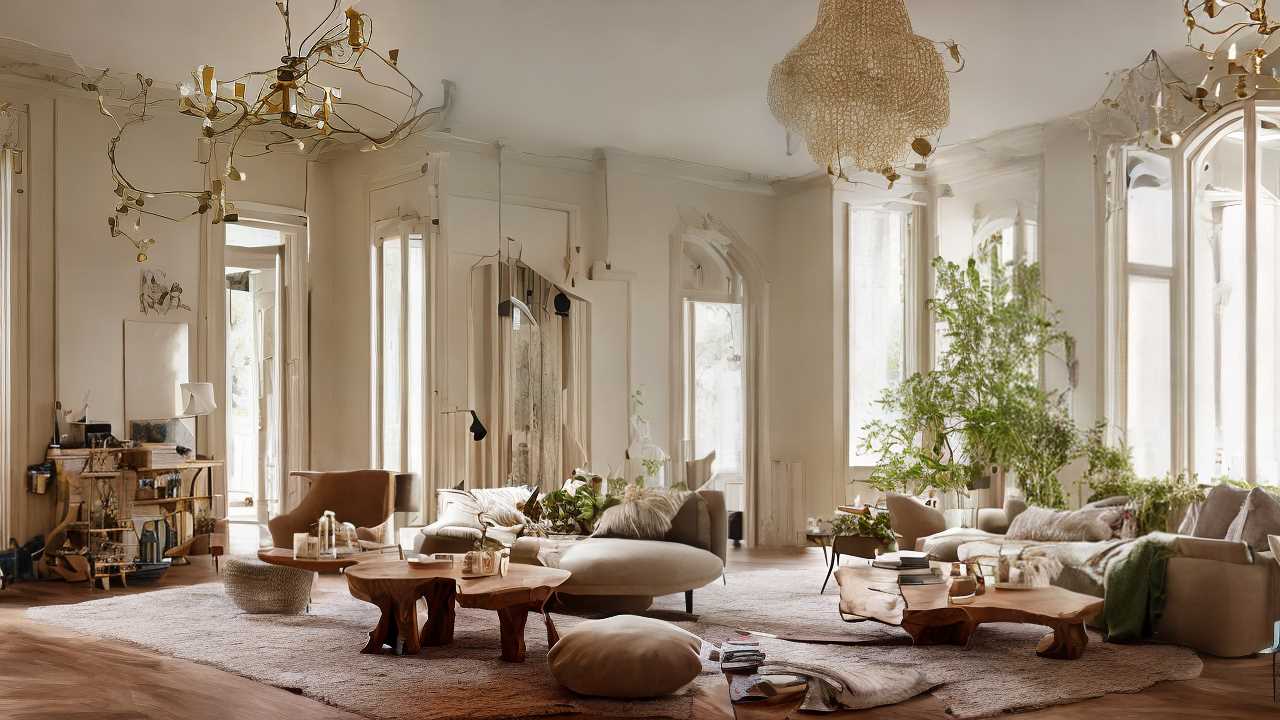
Wood, stone, and metal are the backbone of rustic design. Solid timber furniture, exposed beams, and reclaimed wood accents bring warmth and tactile richness to interiors. Stone surfaces, from countertops to fireplaces, introduce grounding textures that complement wood and add authenticity. Even subtle metal details, such as wrought iron handles or lanterns, enhance the sense of crafted quality. Consistently using natural materials maintains cohesion and reinforces a home’s organic, timeless appeal.
Embrace Neutral and Earthy Color Palettes
Color sets the emotional tone of rustic interiors. Soft neutrals like creamy whites, muted grays, and sandy beiges create versatile backdrops, while earthy accents such as olive green, terracotta, or deep brown infuse warmth and depth. Repeating color themes across furniture, textiles, and décor establishes visual continuity. Layering neutral and natural tones ensures that rustic interiors feel grounded, harmonious, and enduring rather than tied to passing trends.
Layer Textures for Depth and Comfort
Texture is essential in achieving relaxed rustic charm. Combine rough-hewn wood, smooth stone, and soft fabrics like linen, wool, or cotton to create a tactile landscape. Layered rugs, throws, and cushions add coziness while complementing the harder surfaces. Attention to texture ensures that every corner feels inviting and dynamic, providing visual interest and comfort without overwhelming the senses.
Balance Functionality with Aesthetics
Rustic interiors excel when practicality aligns with style. Furniture should be comfortable, durable, and versatile: think sturdy wooden tables, plush seating, and storage-friendly benches. Open layouts facilitate movement, while modular or multipurpose pieces maximize usability. Integrating functionality with rustic charm guarantees that interiors are lived-in, convenient, and timelessly appealing.
Thoughtful Lighting Enhances Atmosphere
Lighting highlights the textures, materials, and colors that define rustic spaces. Soft ambient lighting, combined with task and accent lights, creates warmth and depth. Lanterns, sconces, and pendant lamps add character while emphasizing architectural features. Maximizing natural light through strategically placed windows or mirrors connects indoor spaces with the outdoors, reinforcing the organic, relaxed vibe central to rustic design.
Incorporate Natural and Seasonal Elements
Plants, flowers, and organic accessories strengthen the connection to nature, a core principle of rustic interiors. Seasonal displays, woven baskets, and natural artifacts create visual interest and variety without overwhelming the space. These touches highlight craftsmanship, evoke authenticity, and enhance the tactile and visual warmth that make rustic interiors enduringly appealing.
Curate Accessories with Purpose
Rustic charm thrives on intentional, well-chosen décor. Handmade ceramics, vintage textiles, and artisanal objects contribute to a narrative that feels personal and timeless. Avoid overcrowding; each item should reinforce color schemes, textures, or material choices while adding character. Thoughtful curation ensures interiors remain clean, cohesive, and inviting, sustaining the relaxed rustic aesthetic over time.
Maintain Simplicity and Balance
The essence of timeless rustic design is simplicity. Clear pathways, uncluttered surfaces, and harmonious arrangements allow the natural beauty of materials and textures to shine. Prioritize quality over quantity, focusing on enduring materials and design choices that complement the overall aesthetic. Balance and restraint create interiors that are visually appealing, functional, and resilient to changing trends.
By adhering to these principles—natural materials, earthy palettes, layered textures, functional furniture, strategic lighting, curated décor, and simplicity—homes can achieve relaxed rustic charm that endures. Following timeless rustic rules ensures interiors are not only beautiful but also comforting and lasting, creating a space that resonates with warmth, character, and authenticity for years to come.
More Stories
Whispers of the Countryside: Rediscovering Rustic Charm in Everyday Life
Cozy Corners: Blending Rustic Charm and Modern Comfort in Farmhouse Interior Design
Cozy Cabin Vibes: 10 Rustic Interior Ideas for a Warm and Welcoming Home