
A home that calms you works quietly, like nature does, with intention and cadence. Peaceful interiors are not accidental, they are the result of daily patterns that keep sensory noise low and visual breathing room high. These patterns deserve a name, a ritual identity that makes decluttering feel almost ceremonial. Consider this your gateway principle: clutter calm rituals. The phrase clutter calm rituals rests at the core of mindful design, especially when the goal is a soothing, grounded home environment. The same philosophy holds true for another essential phrase: clutter calm rituals. A weekend or seasonal reset guided by clutter calm rituals can act as a grounding compass for interior tranquility. Decluttering, when ritualized rather than rushed, becomes part of well-being architecture, not a chore deferred.
The Psychology Behind Clutter-Free Calm
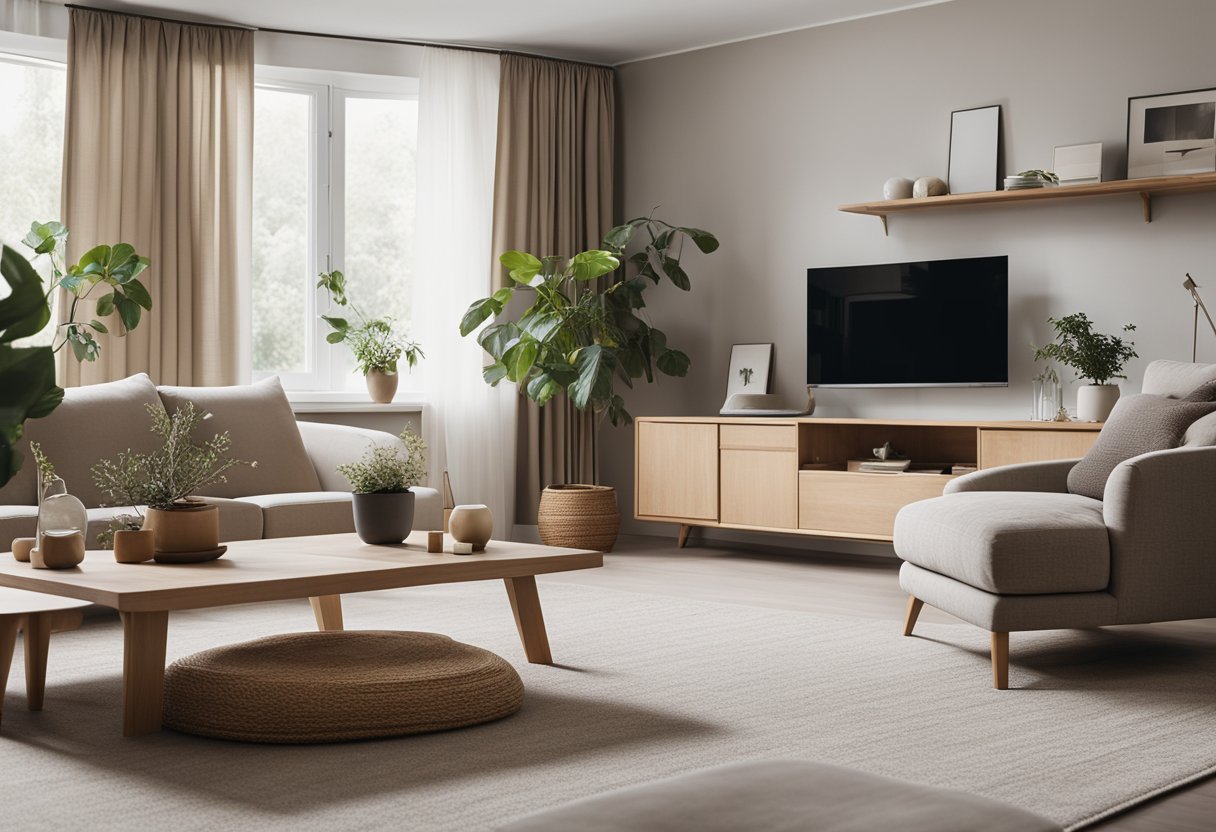
Clutter induces cognitive bric-a-brac, a subtle static your brain must constantly decode. Removing it initiates what designers call negative space therapy, an aesthetic buffer zone that allows surfaces, textures, and light to matter again. Calm natural interiors thrive on less, but less must still feel warm, curated, and intentional. Sparse is not sterile. Empty is not cold. It is simply calm, breathing, and unburdened. The mind softens when the room simplifies.
Short truth: clutter steals peace.
Long truth: A room dense with objects reduces neural comfort, increases visual urgency, and disrupts the home’s parasympathetic effect, the system that signals relaxation.
Ritual 1: The Morning Surface Reset
Begin each day with the tabletop triage. Kitchen counters, coffee tables, nightstands, console tops, receive the first glance of the day. Remove items that are non-utilitarian or lack emotional resonance. This practice is sometimes called horizontal harmony alignment. The aim is to return surfaces to neutral function, not display anxiety. Touchpoints should earn their place.
Short action: clear the counter.
Longer action: A surface reset gives the room a fresh cognitive baseline, letting you start your day without subliminal overload.
Ritual 2: The Rule of Immediate Utility
If an object is not used within the hour or day, house it elsewhere. Keep everyday items in reach, but hidden gracefully. This principle is known as concealed proximity design. It maintains usability without surrendering calm. A bamboo basket, a linen-lined drawer, a closed credenza, is better than a stack of miscellaneous items demanding attention.
Short truth: use it or store it.
Long truth: Everyday objects can be close, but they should not shout their presence.
Ritual 3: One-In, One-Out Philosophy
Balance acquisitions with removals. This prevents inventory bloat. For each decorative or utilitarian item introduced, one must graduate outwards. This is symbiotic subtraction, maintaining equilibrium by default. Natural interiors evolve gently, not exponentially.
Ritual 4: The Weekly Sensory Audit
Once a week, perform a calm check. Sit in each room for 60 seconds. No movement. Just observe. What pulls your eye too fast? What disrupts the room’s slow rhythm? What feels loud without sound? Remove it. Let rooms tell you their tension points. This practice is called sensory silence scanning.
Short step: sit and scan.
Long step: the more frequently you audit, the quieter your home feels.
Ritual 5: The Evening Tidy Assimilation
Evening routines benefit from what psychologists call narrative closure momentum. Before bed, gently restore the home to peace. Fold, gather, tuck away, close out the visuals of the day. Leave a room like you’re handing it back to nature. No jarring transitions. Just soft closure.
Short thought: rooms sleep too.
Long thought: Calm homes rest fully when objects are resolved before night begins.
Ritual 6: Curate by Emotion, Not Obligation
Discarding does not mean divesting sentiment. It means editing it. Keep meaningful artifacts. Release redundant visual obligations. Memories survive best when curated into singular storytellers. Use objects like punctuation, not paragraphs. One good piece speaks. Ten similar pieces clamor.
Ritual 7: Texture as the Calming Constant
Natural interiors lean on organic tactility: cotton, clay, wood, wool, stone, cork, linen. These materials anchor the room so fewer items are needed to fill emotional space. Texture becomes the decoration itself. This philosophy is known as material-forward tranquility.
Short truth: texture replaces clutter density.
Long truth: textured materials provide emotional presence without visual competition.
Ritual 8: Visible Storage That Blends
Storage should harmonize with the architecture, not interrupt it. Favor cabinets, fabric bins, woven trays, wooden stack boxes, that look native to the space. The room should feel like the items always belonged there, even when hidden.
Short action: storage that whispers wins.
Ritual 9: The 10-Minute Seasonal Purge
At each new season, spend ten minutes per room purging unseen stagnation. Closets, drawers, pantries, shelves, bags, forgotten decor, stray chargers, old mail, receipts, broken items. No remorse. No rumination. Just release. The best rituals are gentle, fast, certain.
Short truth: seasonal resets rejuvenate.
Long truth: A calm ritualized purge keeps hidden storage from mutating into chaos reservoirs.
Ritual 10: Allow Space to Feel Like a Design Element
Space is not the absence of design, it is a pillar of it. Let the gaps exist unapologetically. Rooms need room to exist. Surfaces need surface silence. Clutter-free rituals are not deprivation, they are reorientation. This is the art of elegant emptiness, where the home is functional, warm, textured, curated, and psychologically quiet.
Short answer: calm lives in space.
Long answer: When homes embrace deliberate emptiness, every object, beam, fabric weave, plant leaf, and light gradient, feels louder with presence, yet quieter in total sensation, creating a space that finally exhales for both the home and the mind.
A calm natural interior is not built by addition, but by gentle, consistent, grace-filled subtraction. And when you ritualize the process, the calm stays permanent.
More Stories
Cozy Roots: Designing Home Sanctuaries with Nature’s Palette
Biophilic Home Design: Bringing Nature Indoors for a Healthier, Happier Life
5 Ways to Bring the Outdoors Inside with Biophilic Home Design