
True calm begins long before a room is finished. It starts in the subconscious, in the places the mind settles without effort. The most restorative homes whisper through texture, cadence, and botanical congruity. The philosophy fueling the quiet revolution in interior design can be gathered into a single guiding notion: the biophilic calm secrets. These principles recalibrate stress through nature’s original lexicon. They soften alertness. They soothe without performing. And while biophilic design may seem intuitive, the most powerful results come from understanding the underlying rules that govern its emotional resonance. The core of it all is bold but simple: biophilic calm secrets transform space into sanctuary.
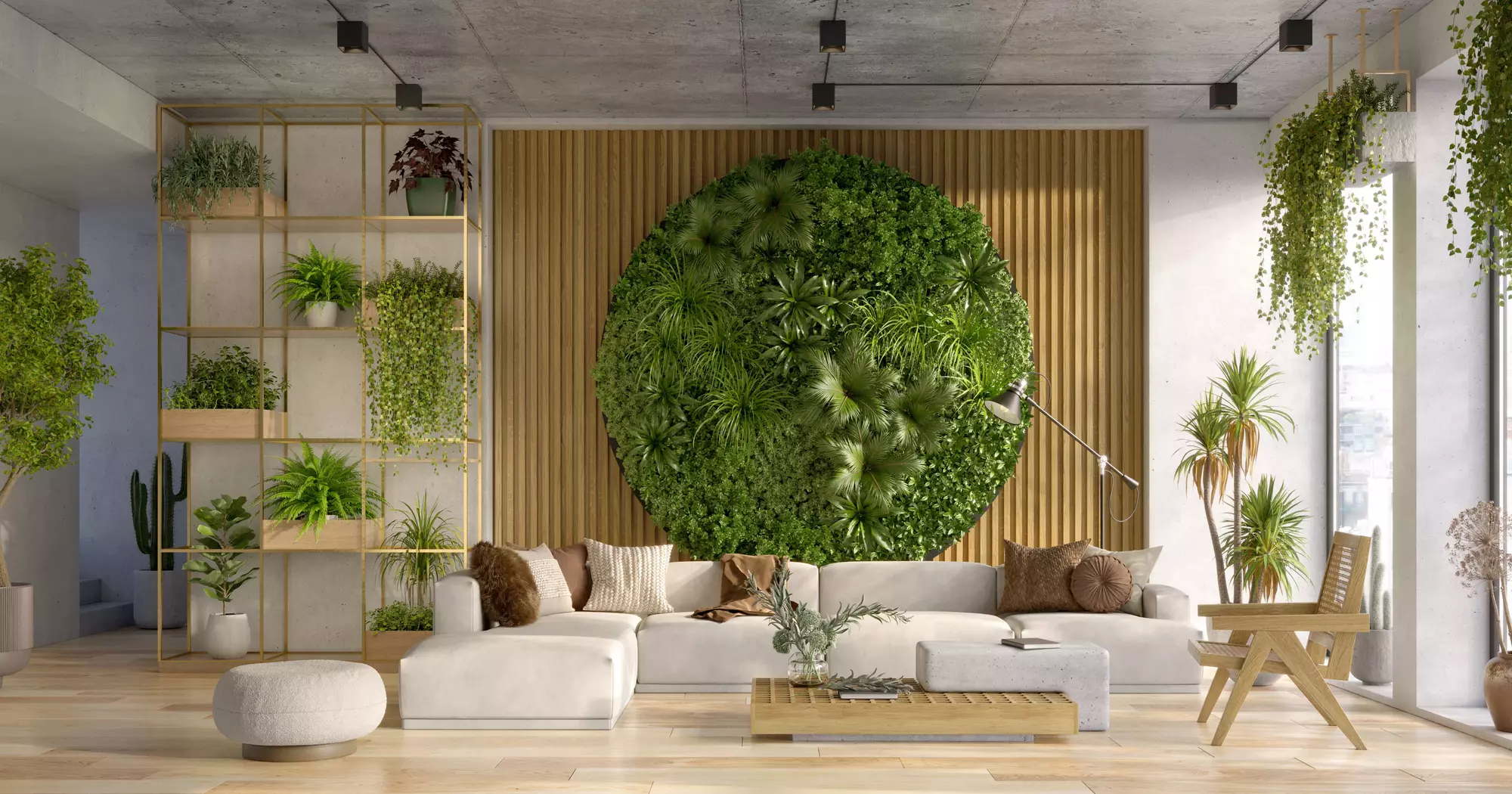
Light That Behaves Like Daybreak
Light influences human cortisol more aggressively than color or form. For calm interiors, illumination must feel uncalculated. Swap harsh fixtures with diffused, fabric based luminaires. Sheer cotton and natural jute pendants scatter light into cloudlike gradients. Maintain a soft spectrum. The best rooms feel like morning. They glow as though daylight simply found its way inside and decided to linger.
Texture as a Tranquility Medium
Biophilic interiors operate most effectively when they embrace tactile honesty. Smooth materials are fine but risk sterility. Add layers that feel quietly believable: loosely woven throws, thick wool, soft linen, and unpolished ceramics. These surfaces act as tactile neurotransmitters. Touch becomes softer. Eyes take fewer inventory counts. The brain, politely excused from overanalysis, relaxes faster.
Chromatic Humility
Calm colors must resist competition. Neutrals drawn from earth are the most courteous pigments for stress reduction. Think sediment gray, barley cream, biotite brown, lichen green, and chalked stone white. Wall finishes in limewash or mineral based paint create chromatic muffling, absorbing visual noise rather than reflecting it. Calm considers optics first, aesthetics second. The beauty becomes unavoidable because it stops fighting itself.
Foliage That Feels Natural, Not Narrated
Plants perform best when they look inevitable. Avoid botanical clustering that feels plotted. Single floor plants work better than multiple smaller announcements. Try species that visually read as quiet guardians of space: crawl friendly Ficus lyrata for corners, slender Dracaena for doorways, or trailing Ceropegia woodii for shelving. Terracotta or clay planters elevate the organic narrative while anchoring movement in earth’s visual tempo.
Sound Management Without Silence
Quiet homes are rarely silent. They’re sound tempered. Soft acoustic textiles make a space gentle enough to hear but polite enough not to fatigue. Wool rugs, hemp table runners, and canvas coverings dull echo and rebalance a room’s sonic restlessness. Reverberation tails shorten. Conversations feel felted. Every noise survives the space pleasantly. Nothing collapses the room into interference.
Air That Feels Breathable
Ventilation is aesthetic welfare. A calm room must sound and look breathable. Low furniture profiles encourage air circulation psychologically. Open negative space matters here, too. Rooms that allow air to appear mobile feel less taxing. A subtle breeze traveling past a linen curtain has measurable emotional yield, even when the windows are closed.
Curves That Tread Softly
In natural interiors, curvature replaces collision. Sharp corners don’t insult a room but they do interrogate it. Round shapes feel pre linguistic, easier on primal perception centers. Integrate arches, ovular tables, and softly tapered furniture legs. Geometry becomes melodic. Predictable rhythm, gentle enough not to jar but structured enough not to drift.
Water as a Memory of Peace
A water element changes a home’s neurological dialogue. Indoor founts or reflections of water through materials work beautifully. A rainfall shower, stone basins, or even waterlike glass patterns in decor quietly invoke serenity without stirring wakefulness. Water doesn’t need representation. It needs suggestion.
Sustainability That Ages Into Quiet Confidence
Materials that endure behave with more composure than ones that shout for attention. Reclaimed wood, basalt coasters, stone, wool, linen, and clay soften markedly as they age. They lose spectacle. They gain dignity. Longevity is not merely eco-conscious, it’s acoustic, tactile, and visual insurance. Short decisions today seed long calm tomorrow.
Spatial Rituals Over Statement Pieces
The calm room favors rituals over declarations. One generous reading chair near natural light engages emotional settling better than gallerylike exhibitions of decor. Design a home around the choreography of slow moments: long tea-steeping, thoughtful conversations, or quiet journaling. The best homes converge around experience, not objects.
Biophilic interiors don’t overwhelm. They persuade gently. A sanctuary is invented when space is allowed to behave the way nature originally intended: breathable, honest, rhythmic, softly lit, and acoustically courteous. Biophilic calm secrets live in subtle sensory alignment. They never ask for applause. They simply transform the way we feel inside our walls. The result is calm that becomes instinctive, beautiful, and refreshingly real.
More Stories
Cozy Roots: Designing Home Sanctuaries with Nature’s Palette
Biophilic Home Design: Bringing Nature Indoors for a Healthier, Happier Life
5 Ways to Bring the Outdoors Inside with Biophilic Home Design