
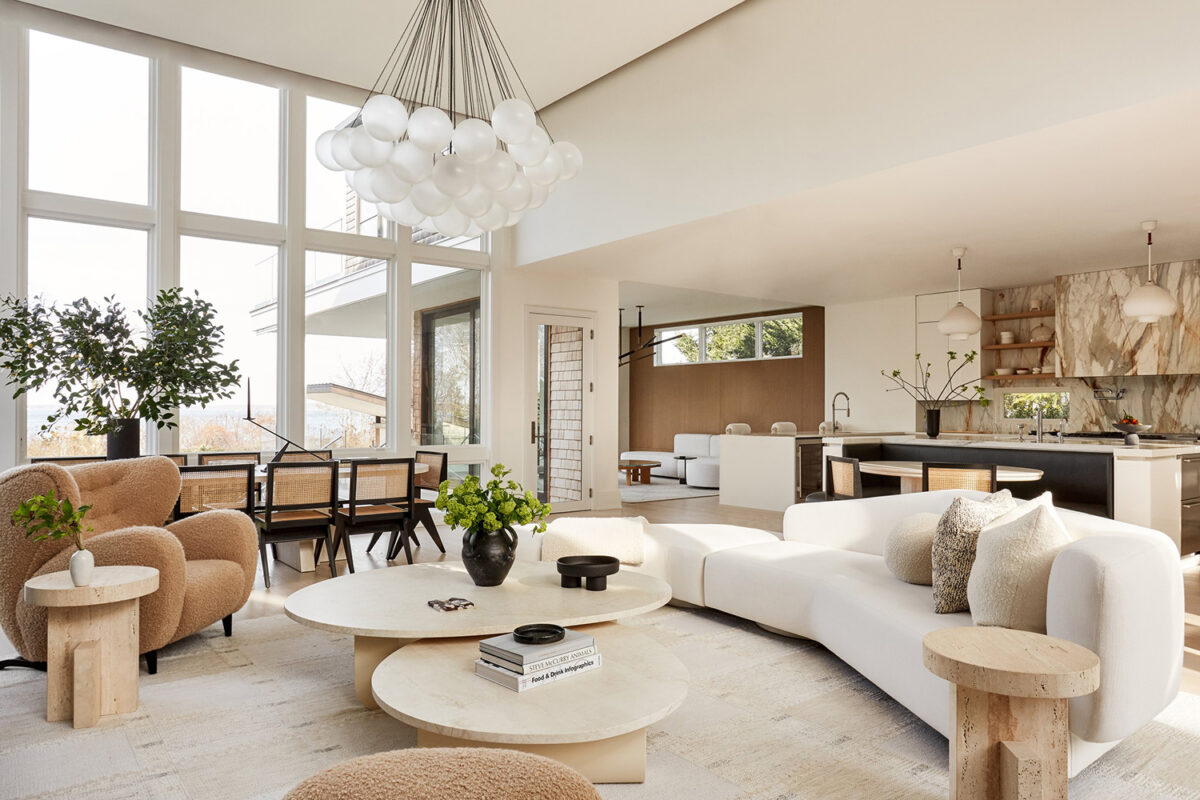
Calm spaces work quietly, not loudly. The most memorable ones don’t shout about design. They breathe it. The secret ingredient shaping this new wave of soothing homes is something designers now call organic texture magic; a sensory harmony anchored in authentic materials and tactile understatement. It transforms living spaces into restorative biomes, lowering stress by speaking to the brain in nature’s native syntax, long before logic arrives to filter meaning.
Light as the First Layer
Natural interiors bloom under gracious light. This is where equilibrium starts. Soft luminescence is more effective than dramatic spotlighting. Use cotton or jute covered lampshades that behave like gentle light sieves. Wall color matters here, too. Mineral based finishes such as limewash refract light without competing for dominance. A surface that looks quiet will amplify emotional ease, even before the room is fully arranged.
The Polite Science of Texture
Texture isn’t decoration. It’s neurology in physical form. Organic interiors lean into imperfect weaves and finishes that diffuse attention warmly. Smooth glass has its place, but when overused, it can create a sensation of sensory vacancy. Replace optical emptiness with materials that show their heritage honestly: raw linen, carded wool, reclaimed timber, clay, or unglazed ceramic. The beauty of the organic approach is not in perfection, but in coherence. Fibers that reveal micro variance engage primal calm without destabilizing visual order.
Chromatic Softness, Not Competition
Tranquil interiors rarely need high contrast. Calm palettes behave better when they fade into one another like sediments settling in water. Colors lifted from nature never fight the space. Wall tones in whisper soft stone gray, rice milk white, or moss muted green create chromatic muffling that reduces visual load. When color is courteous, the mind takes fewer cognitive notes. It simply settles.
Furniture That Moves Lightly Through Space
Heavy silhouettes can anchor a room stylistically, but they rarely help the nervous system. Calm spaces favor low visual mass and gentler profiles. Think rounded edges, organic curves, soft tapers, and unpresuming lines. A bulky sofa isn’t forbidden, but it must compensate with soft upholstery or woven throws to temper its scale. Balance is the only law that matters here. Furniture should feel placed by instinct, not calculation. The arrangement must look effortless. If it feels natural, the mind perceives safety without interrogating the geometry.
Rugs, Throws, and Underfoot Calm
A room’s acoustic confidence comes from its ability to hold sound pleasantly, without collapsing into silence. Woolen or hemp rugs temper sonic bounce modestly. Throws of thick knits or hand loomed cotton soften conversation echoes into something felted, like words wrapped in wool. Noise exists. It simply never fatigues the listener.
Plants That Feel Normal, Not Narrated
Botanical elements are vital, but calm rooms resist botanical overcrowding. Singular floor plants or trailing vines are quieter than multiple miniature plant groupings. Acceptable flora should feel inevitable, not performative. Clay or terracotta planters deepen the organic narrative while grounding shapes in rural simplicity. They provide a reference point that says: unpretentious, honest, and safe.
Wooden Warmth, Geological Gravitas
Reclaimed wood carries visual warmth plastic wood cannot replicate, especially when sealed minimally. Consider occasional stone inclusions to provide geological calm. Sandstone bowls, basalt trays, or slate coasters introduce calm gravitas without spectacle, quietly intimating nature’s quiet endurance. Eco-conscious materials don’t merely reduce environmental impact. They soften beautifully with age. Longevity also means dignity. A material that lasts behaves more calmly than one that needs replacing.
Shelving and the Art of Curated Quiet
Open shelving is fine, but visual restraint is critical. One too many ornaments can transform a calm vignette into retail display. Opt for 40 percent rule. Leave breathing room. Negative space has emotional ROI. Items spaced gently with air around them look less like announcements and more like contemplative pauses.
Subtle Details That Add Magic
Organic texture magic thrives on petitesse. A linen table runner, rope woven baskets, wool poufs, or lightly carved wooden spoons on a kitchen hook add sensory punctuation without turning into full sentences of decor. These details don’t dominate. They modulate.
Invisible Calm Elements
Scent, airflow, and temperature are part of texture’s emotional ecosystem. A breathable material looks breathable, even at a glance. Low profiled rooms encourage air circulation psychologically. Sheer curtains that look like they could move in a breeze invite calm perceptually. Even with closed windows, the mind perceives motion. It relaxes.
Final Word
Calm natural interiors don’t feel owned by design. They feel borrowed from the world outside. They are illuminated softly, textured honestly, colored humbly, and furnished instinctively. The magic happens when texture stops being décor, and becomes atmosphere. When sensorial pieces harmonize modestly, the space heals without performing. Calm becomes instinctive. Beautiful. Unavoidable. And wonderfully real.
More Stories
Cozy Roots: Designing Home Sanctuaries with Nature’s Palette
Biophilic Home Design: Bringing Nature Indoors for a Healthier, Happier Life
5 Ways to Bring the Outdoors Inside with Biophilic Home Design