
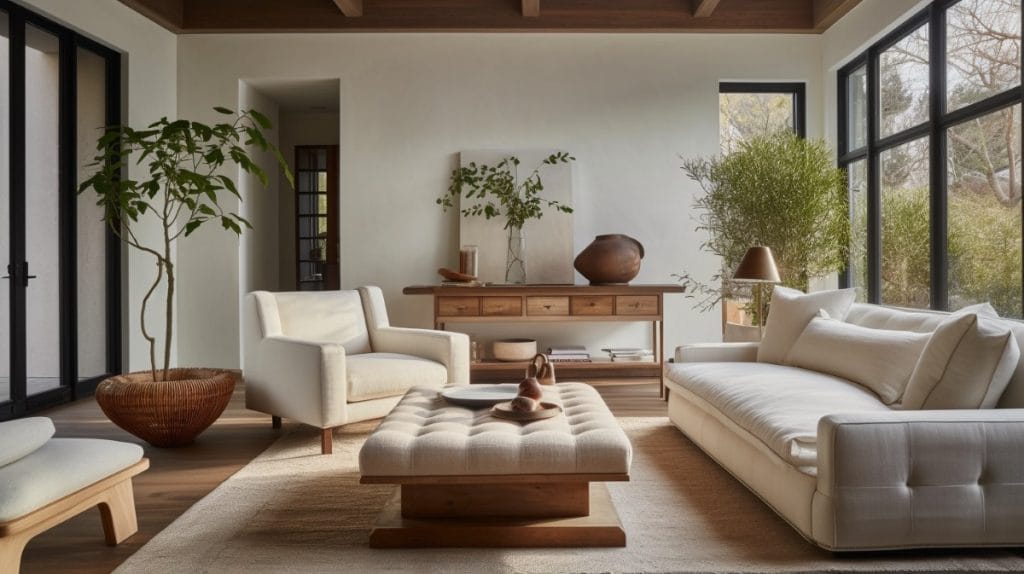
The alchemy of serene interiors begins with intentional chromatic selection. Designers consistently gravitate toward calm color palettes that emulate nature’s softest moments, colors that feel like a quiet inhale, and a gentle neurological exhale. These palettes craft atmospheres rather than impressions, eliminating visual turbulence and nurturing spaces that feel instinctive, restorative, and emotionally fluent.
The Psychology of Tranquil Hues
Calm palettes do more than beautify, they pacify sensory receptors. Neural studies show that low-saturation tones reduce cognitive load, allowing the brain to halt its scan-for-threat mode. This is precisely why designers avoid chromatic shock in relaxation-driven interiors. They seek a visual language that resonates, not competes.
Rooms washed in subtle tones feel slower. Softer. Kinder on perception. A well-balanced palette can quite literally dilute the tempo of a frantic day.
Natural Palette Principles Designers Honor
- Muted over loud: Subdued hues absorb attention without demanding it.
- Low contrast adjacency: Neighboring tones should blend with ephemeral ease.
- Biotic origins: Colors are most calming when they mimic earth, mist, clay, foliage, dawn, stone, and weathered shorelines.
- Light reflectance balance: Tone selection considers how colors dissolve light, not exaggerate it.
Collectively, these principles form a cortex-comforting foundation.
Signature Color Families Designers Can’t Get Enough Of
1. Earthwashed Neutrals
Think loam-soft taupe, sunbaked sand, whisper-beige, and bleached pebble tones. These hues evoke soil warmed by a midday sun. They ground rooms emotionally while keeping visual noise inert. Designers love these shades because they pair effortlessly with rattan, linen, raw wood, and unglazed ceramics. Earthy neutrals make imperfection look intentional.
They also gracefully handle shadows, turning corners into soft gradient caves instead of dark interruptions.
2. Mist and Mineral Tones
Powdered stone gray, diluted jade, hazed lavender quartz, whispered slate, vapor-white, and opal-washed creams mirror early morning fog or the quiet shimmer of geological strata. These tones suggest softness without becoming cold. Mineral palettes are beloved for bedrooms, reading rooms, meditation alcoves, and minimalist living spaces that want emotional warmth without ornamental saturation.
To keep them from reading austere, designers infuse soft cotton or creamy wool textures nearby.
3. Botanical Washes
Foliage-green diluted to its quietest form is a cornerstone of calm interiors. Sage, tea leaf green, whisper-moss, softened eucalyptus, and balsam-tinted pastel greens call to mind plant canopies filtered by sun and wind. Designers use botanical washes strategically, one wall, one accent, or one textile, never the entire room, preserving balance while offering an organic point of visual calm anchoring.
Botanical tones can behave like environmental punctuation, soft, meaningful, and never abrupt.
4. Gentle Aquatic Hues
Pale lagoon blue, damp sea-glass green, silenced navy, diluted tidewater teal, or watercolored ocean washes evoke coastlines without appearing nautical. Designers love these in bathrooms, open kitchens, and north-facing rooms where light is softer and cooler. Subtle aquatic tones are known to soothe pulse rates and soften acoustics visually. They work wonderfully when paired with light oak, limestone, and brushed stone finishes.
Aquatic hues should float, never crash. Designers maintain this rule religiously.
5. Warm Clay and Blush Accents
Rosewater-blush, light terracotta, sandy clay pink, faded adobe, and soft sienna blush emulate desert and clay architecture warmed by indirect sun. Designers adore these in accent fabrics or small focal points like cushions, rugs, or wall art. The trick with clay-pull tones: use sparingly. Too much warmth can shift calm into chromatic heaviness.
A whisper is enough. The mind fills in the rest with comfort.
Designer-Approved Calm Palette Combinations
Here are three pairings professionals repeatedly deploy:
- Whisper Beige + Powder Mineral Gray + Soft Sage Cloth
Ideal for living rooms that want layered calm without austerity. - Opal Cream + Faded Limestone + Sea Glass Sheer Textile
A favorite for bathrooms designed like cleansing cloud chambers. - Sunbaked Taupe + Brushed Oak + Clay-Blush Cushioning
A calming embrace for bedrooms or lounge corners that feel lived-in, not designed-on.
Application Tips Designers Use in Real Spaces
- Use matte paint finishes to soften reflectance.
- Layer with light, natural textiles to avoid reading monotone-flat.
- Maintain 70% neutral dominance, 20% secondary tone, 10% accent.
- Let daylight blend with tones gradually using sheers or frosted adjacency.
The Subliminal Art of Calm Palette Mastery
Designers don’t think in walls. They think in ecosystems. When colors mirror nature’s gradients, rooms feel inevitability tranquil, undeniably grounded, and cognitively soothing. A fine-tuned palette doesn’t ask to be admired, it asks the body to relax without verbal instruction.
The secret isn’t color. It’s the intervals between colors, the visual tempo they co-create. Calm palettes are soundless orchestrations that quiet the mind, warm the body’s spatial intuition, and make every room feel fluent in peace.
More Stories
Cozy Roots: Designing Home Sanctuaries with Nature’s Palette
Biophilic Home Design: Bringing Nature Indoors for a Healthier, Happier Life
5 Ways to Bring the Outdoors Inside with Biophilic Home Design