
Creating a tranquil home sanctuary does not require extravagant spending. A well-curated budget nature makeover is entirely achievable when strategy precedes shopping, when ecosystems guide decisions, and when calm aesthetics are interpreted through resourcefulness. With thoughtful sequencing, modest investment can yield a space that feels whisper-quiet to the senses while remaining visually sophisticated.
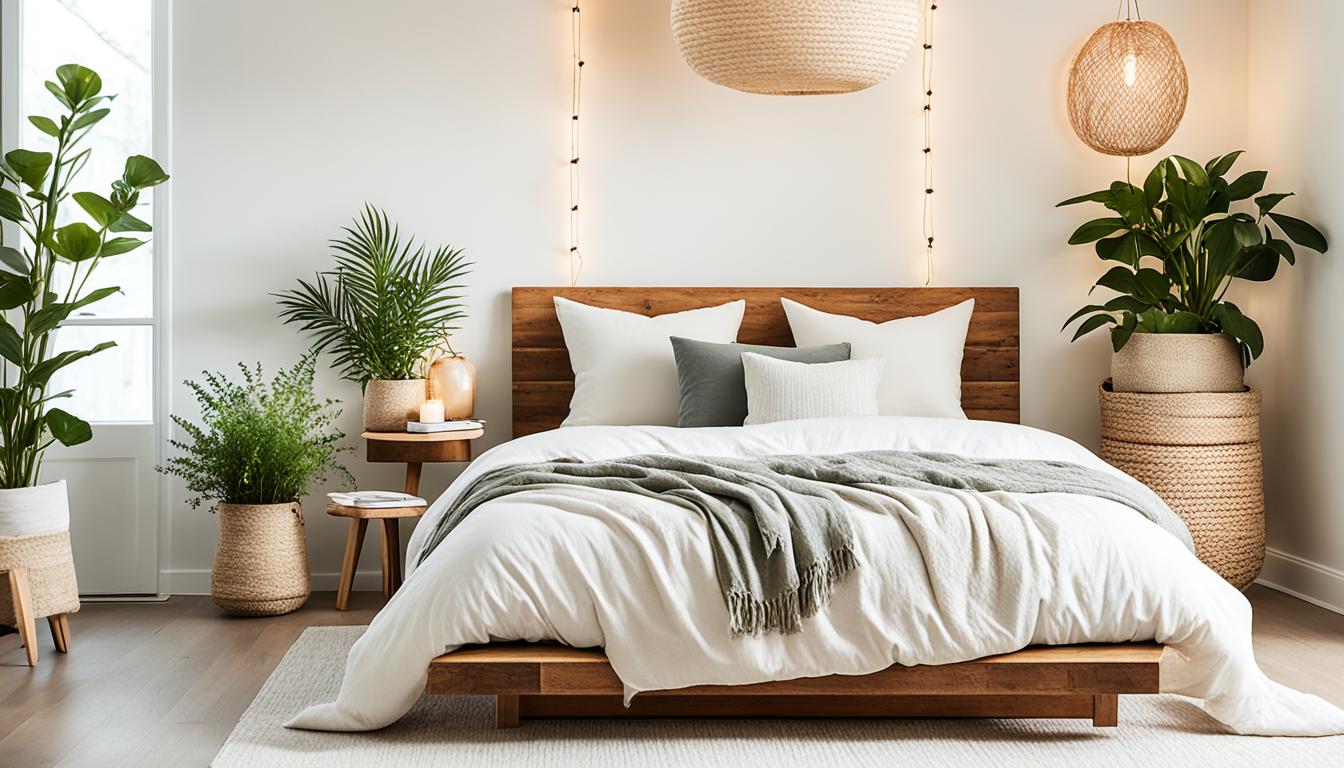
1. Start With a Sensory Audit
Before anything is purchased, designers and home renovators perform a perceptual excavation, essentially a sensory audit. This audit identifies what disrupts calm: high reflectance surfaces, clutter-dense corners, acoustic harshness, unbalanced lighting, or overly synthetic textures. Pinpointing stressors with specificity ensures that funds are used surgically, not scattershot.
A makeover works best when it removes friction rather than adding ornamentation.
2. Borrow the Palette From the Quietest Landscapes
Natural palettes on a budget should emulate subdued environments, mist-lulled coastlines, meadow pastels before noon, desert clay softened at dusk, stones washed by rain, sunfiltered foliage, or untreated canvas fiber tones. Low-chroma paints, especially mattefinish whites, powdered sage, diluted mineral grays, and soft sand neutrals, stretch farther and soothe harder. Affordable paint is the quickest leverage point for neurological alleviation.
When daylight meets the right palette, rooms relax themselves.
3. Recompose, Reuse, Recontextualize
A foundational principle of budget-friendly zen interiors is recomposition. Instead of replacing furniture, change its spatial syntax. Bedside tables become plant plinths. Benches become window sanctums. Ceramics from the kitchen may migrate into the bathroom. Curtains once used in bedrooms may be bleached or dyed lighter for a living space rebirth.
Recontextualizing what already exists slashes costs dramatically while adding a subtle story of transformation.
4. Embrace Imperfection as an Aesthetic Asset
Zen natural interiors at low cost thrive on wabi-sabi design sensibilities. This means choosing materials that feel authentic, not pristine. Look for slightly distressed wood, unsealed clay planters, artisanal fabrics that hint of handloom irregularity, or secondhand decor with quiet patinas. Imperfection has a calming cadence.
It also tends to cost less. And feel like more.
5. Curate Organic Texture Libraries, Without Overspending
You do not need a lot. You need the right tactile library. Focus on jute, calico, organic cotton, lightly brushed linens, raw silk when possible, cane, wicker, rattan of any kind, tamarind-toned timber, or stone-mimic composite that looks mineral-hazed, not glossy. Rugs made from sisal or jute visually absorb sound, tricking the space into softer acoustics.
Soft textiles placed intentionally create the sensation of silence without replacing the obvious.
6. Greenery That Guides Calm Instead of Commanding Attention
Plants are the most cost-effective zen alchemists. One tall sculptural plant works harder than five tiny accents. Consider a single leafy indoor plant, bleached eucalyptus bunches, or hardy indoor palms. Wall-mounted propagation jars or stem cuttings in reused glass bottles offer calm punctuation points without inflating the budget. Let plants create pathways, not jungles.
Greenery should breathe. Not shout.
7. Use Secondhand Souvenirs With Story Value
Flea markets, local artisan outlets, and curated thrift finds often deliver decor with emotional provenance for a fraction of retail cost. Unglazed clay vases, weathered picture frames, reclaimed wood trays, or linen drapes with softened edges feel inherently calming. Mix these with one new anchor object to create a layered authenticity narrative.
Zen rooms love objects that feel inherited by time.
8. Light as a Low-Cost Transformational Medium
Lighting changes everything at minimal cost. Replace harsh white bulbs with warmer, softer illumination, ideally in 2700K to 3000K range, if available. Add sheer curtains to dilute incoming daylight gradually. Create soft lamplight pools by placing inexpensive table lamps in triangular or asymmetrical harmony, this relaxes spatial perception.
Lights should dissolve into the room. Not divide it.
9. The 70/20/10 Budget Zen Allocation Formula
Use a simple spending ratio:
70% for paint and core neutrals, 20% for natural textiles, 10% for green accents or small decor. Balanced budgets should prioritize walls, windows, and texture first. Everything else is punctuation.
A calm room is mostly quiet tones, soft light, and considered tactility.
10. Small Tweaks, High Yield
Zen interiors thrive on small tactile interventions: swapping plastic decor for glass or clay, decluttering one surface, adding one jute rug, bleaching one curtain, or moving one plant to command calm flow. Small changes have massive perceptual returns.
11. The Budget Zen Mindset
True zen design is economical by nature because it subtracts more than it acquires. On a budget, calm design is not a limitation, it is a filter. It requires intentional omission, spatial recomposition, muted chromatic harmony, and a tactile vocabulary that feels biotic and honest.
The room should feel inevitable. Quiet. Restful. And gently optimistic.
By focusing on perception first, materials second, and shopping last, your interior makeover becomes less of a purchase-driven project and more of a carefully composed sensory relief plan that fits your wallet with ease.
More Stories
Cozy Roots: Designing Home Sanctuaries with Nature’s Palette
Biophilic Home Design: Bringing Nature Indoors for a Healthier, Happier Life
5 Ways to Bring the Outdoors Inside with Biophilic Home Design